Blue Thread Projects
THEME
TARGET AUDIENCE
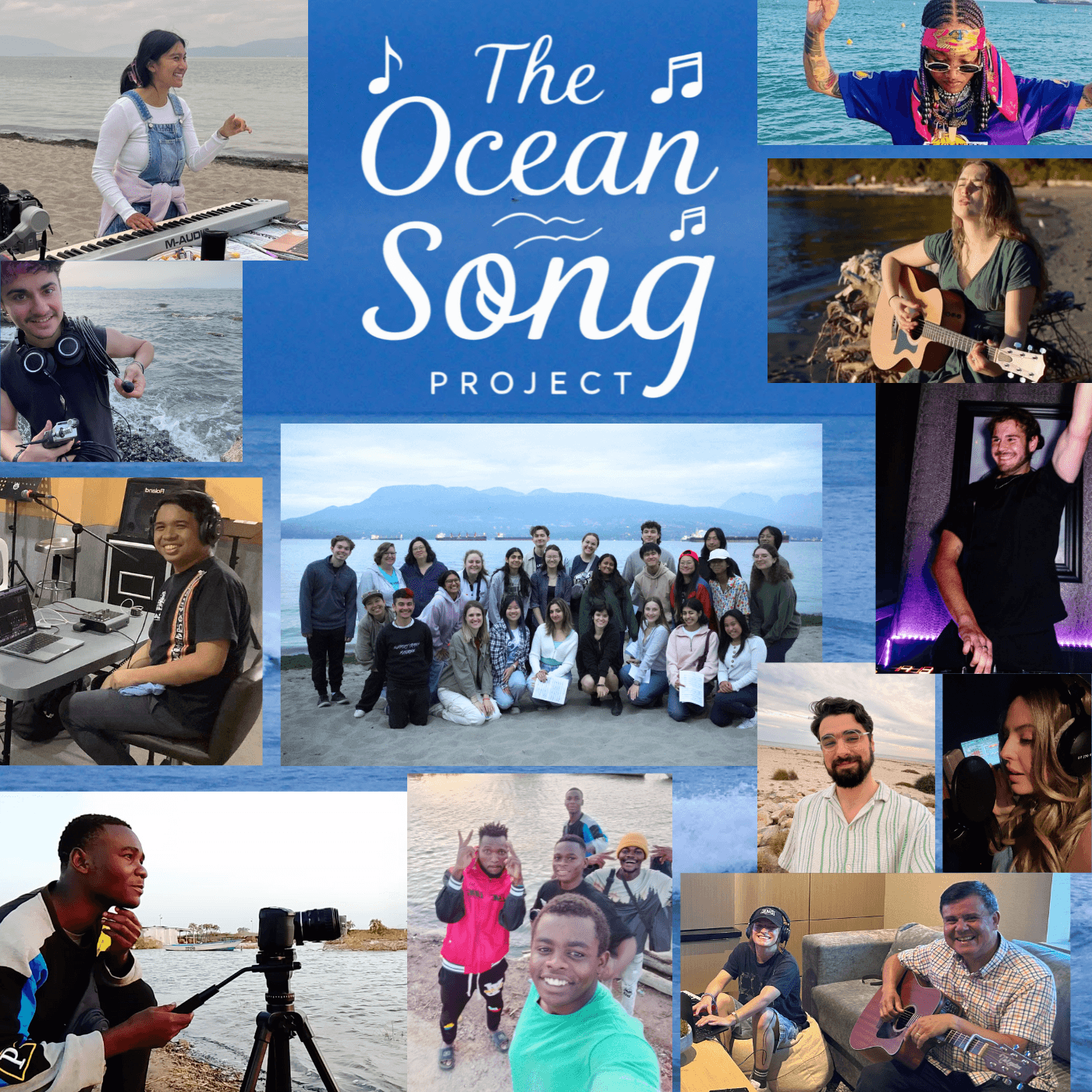
The Ocean Song Project
Canada
More info
The Ocean Song Project is an international nonprofit music and storytelling initiative that promotes ocean literacy through creative expression, community building, and emotional connection. Artists and ocean knowledge sharers collaborate to create original ocean-inspired music—ranging from instrumentals to metaphorical and message-driven songs that explore human relationships with the ocean, along with its vital role in supporting all life on Earth. While the project centers on music, it also welcomes other mediums, in any language or style. Learning is supported through educational posts, virtual and in-person sessions, and an open-to-all creative community space hosted on Discord. Mutual-aid-based creative support is offered to help reduce access barriers. All proceeds from the music releases on Bandcamp are pledged to ocean restoration initiatives, with the inaugural collection supporting mangrove planting in Marereni, Kenya, through partnerships with SeaTrees and COBEC.
Contact:
Contact:
Casa San Miguel Foundation
Philippines
More info
Casa San Miguel Foundation is a dynamic cultural and environmental institution based in Zambales, Philippines, that fosters community development through the intersection of art, ecology, and heritage. Its Environmental Cluster brings together artists, ecologists, and local visionaries to explore and celebrate the region’s landscapes and seascapes through sustainable and immersive creative practices. From bamboo sculptures and eco-friendly art workshops to pop-up galleries by the sea, the Foundation’s projects highlight the interconnectedness of people, place, and nature. Integrating themes from its Residency, Music, and Livelihood Clusters, Casa San Miguel emphasizes the role of creativity in conservation and community identity. Targeting coastal communities—including fishers, women, children, and Indigenous groups—the Foundation produces exhibitions, films, books, and community art, while also engaging local government to support policy implementation. With ocean literacy still nascent in the region, Casa San Miguel is creating platforms for dialogue, participation, and renewed pride in the area’s maritime heritage.
Contact:
Contact:
Oman Sail
Oman
More info
Oman Sail’s initiative, led by Debbie Richardson, champions ocean literacy through its SeaOman brand and upcoming “Precious Plastic Muscat” educational hub, launching during Oman Climate Week in February 2025. With a workforce 96% Omani, Oman Sail empowers its sailors and divers as marine ambassadors, integrating environmental stewardship into daily water-based activities. The new hub will provide hands-on recycling experiences for school groups and the public, linking personal behavior to marine health while showcasing the impact of plastic pollution on iconic species like sea turtles and whale sharks. In partnership with SME Recycling Services LLC and aligned with the UN Ocean Decade, the hub blends emotional engagement—through the "Letters to the Sea" campaign—with practical education. The initiative promotes inclusivity via accessible facilities and programs for people with disabilities and underrepresented communities. It also highlights Oman’s maritime heritage, reinforcing cultural connections while fostering innovation and sustainable practices in ocean conservation and community engagement.
Contact:
Contact:
Meridian Agency
Spain
More info
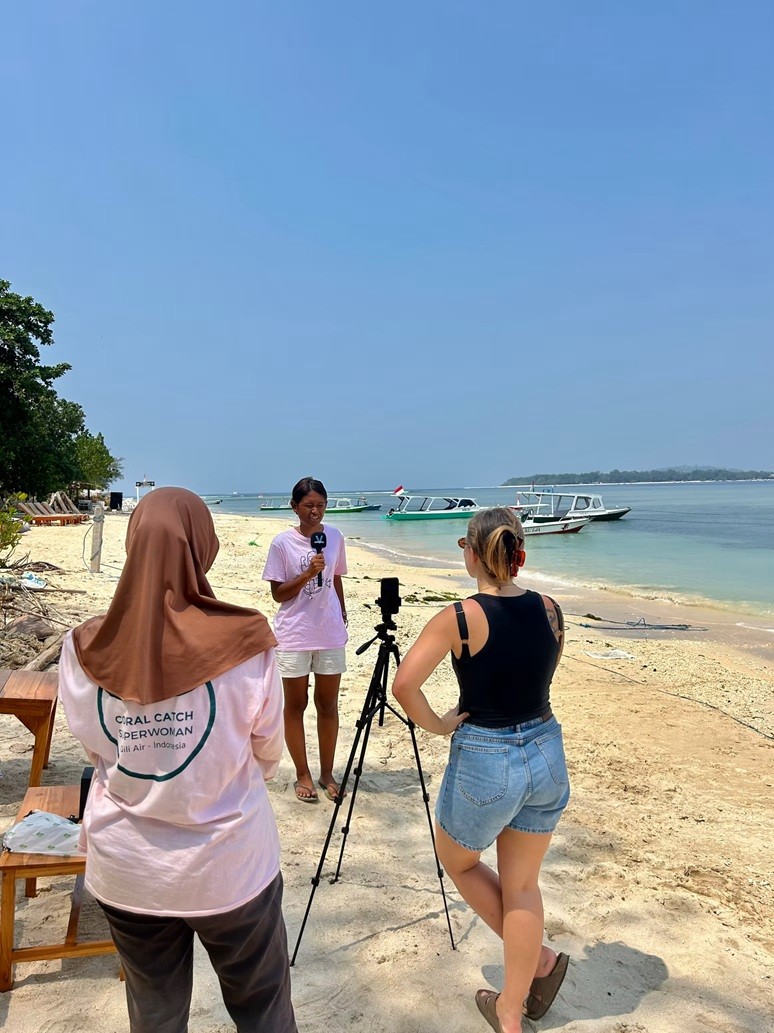
Meridian Agency is a women-led, impact-driven communications agency that empowers ocean advocates—researchers, activists, entrepreneurs—to scale their influence through innovative, culturally relevant storytelling. Founded onboard a sailboat, Meridian has created dozens of bespoke ocean literacy initiatives over five years, from school programs in Mallorca to Indigenous youth advocacy at the World Economic Forum. With a belief in the power of context, creativity, and scalability, Meridian blends digital media, documentary, and grassroots engagement to make ocean science accessible and actionable. The agency supports policy engagement and civic participation by connecting communities with decision-makers, and its in-house communication framework has been taught at top universities and international events. Deeply committed to diversity, equity, and inclusion, Meridian works globally—often pro bono—with underrepresented communities, promoting multilingual and accessible ocean content. Through campaigns, toolkits, and storytelling, Meridian celebrates marine heritage, supports innovation, and advances ocean stewardship, helping build a more inclusive and sustainable future for the blue planet.
Contact:
Contact:
Blue Dream Project
USA
More info
The Blue Dream Project is an ocean literacy and environmental education initiative founded by filmmaker and drone pilot Francesca, whose work has focused on social and environmental issues for over seven years. Through compelling storytelling, immersive film, and globally exhibited photography—including at events like COP Dubai and Cannes—the project raises awareness about the ocean's essential role in sustaining life. Blue Dream promotes ocean literacy through educational outreach, interactive exhibitions, film workshops, and conservation events like beach clean-ups, engaging audiences from coastal communities to policymakers. By highlighting the interconnectedness of marine ecosystems and human activity, the initiative inspires sustainable practices and environmental stewardship. Blue Dream also partners with institutions, NGOs, and research centers to amplify its impact, offering accessible, creative tools to foster a deeper public appreciation for the ocean. The project’s ongoing work empowers diverse communities—especially students and educators—to engage meaningfully with ocean issues and contribute to a more sustainable future.
Contact:
Contact:
Ocean Vision Legal
USA
More info
Ocean Rights recognizes the Ocean as a living entity with inherent rights and intrinsic value. Rooted in ethics—principles determining right and wrong—this concept challenges outdated anthropocentric views that see the Ocean solely as property or a resource for human use. Inspired by Indigenous and Oceanic communities, Ocean Rights redefines the Ocean as an autonomous, dynamic, self-regulating being, shifting the narrative from exploitation to interconnectedness and care. Just as human rights evolved from viewing individuals as property to recognizing their autonomy, Ocean Rights proposes an ecological ethic emphasizing humanity’s interdependence with the Ocean. The United Nations highlights that maintaining human well-being depends on changing how we perceive and manage the Ocean. Implementing Ocean Rights involves integrating legal, policy, governance, economic, educational, scientific, and community-based approaches. Ultimately, Ocean Rights aims to transform the human-Ocean relationship from separation and exploitation to one of mutual respect, responsibility, and stewardship.
Contact:
Contact:
Bluer Africa
Nigeria
More info
Bluer Africa is a grassroots initiative in Nigeria dedicated to strengthening coastal resilience and promoting ocean literacy through community-driven education and advocacy. Focused on the country’s eight coastal states—home to over 58 million people—the project addresses climate change impacts such as erosion, flooding, and pollution by combining indigenous knowledge with tailored educational tools. Bluer Africa delivers locally adapted workshops and produces documentaries in regional dialects that highlight the links between marine health, food security, and community well-being. The initiative fosters participatory governance by facilitating post-screening discussions and collaborating with authorities like NIMASA and NIOMR to ensure local voices, particularly those of women and youth, shape ocean policy. It also promotes sustainability through community-led mangrove restoration, eco-friendly fishing, and curriculum development in schools. By documenting traditional marine practices and customs, Bluer Africa safeguards cultural heritage while empowering communities with the tools to protect their environments and advocate for inclusive, sustainable ocean stewardship.
Contact:
Contact:
EcoMarine Malta
Malta
More info
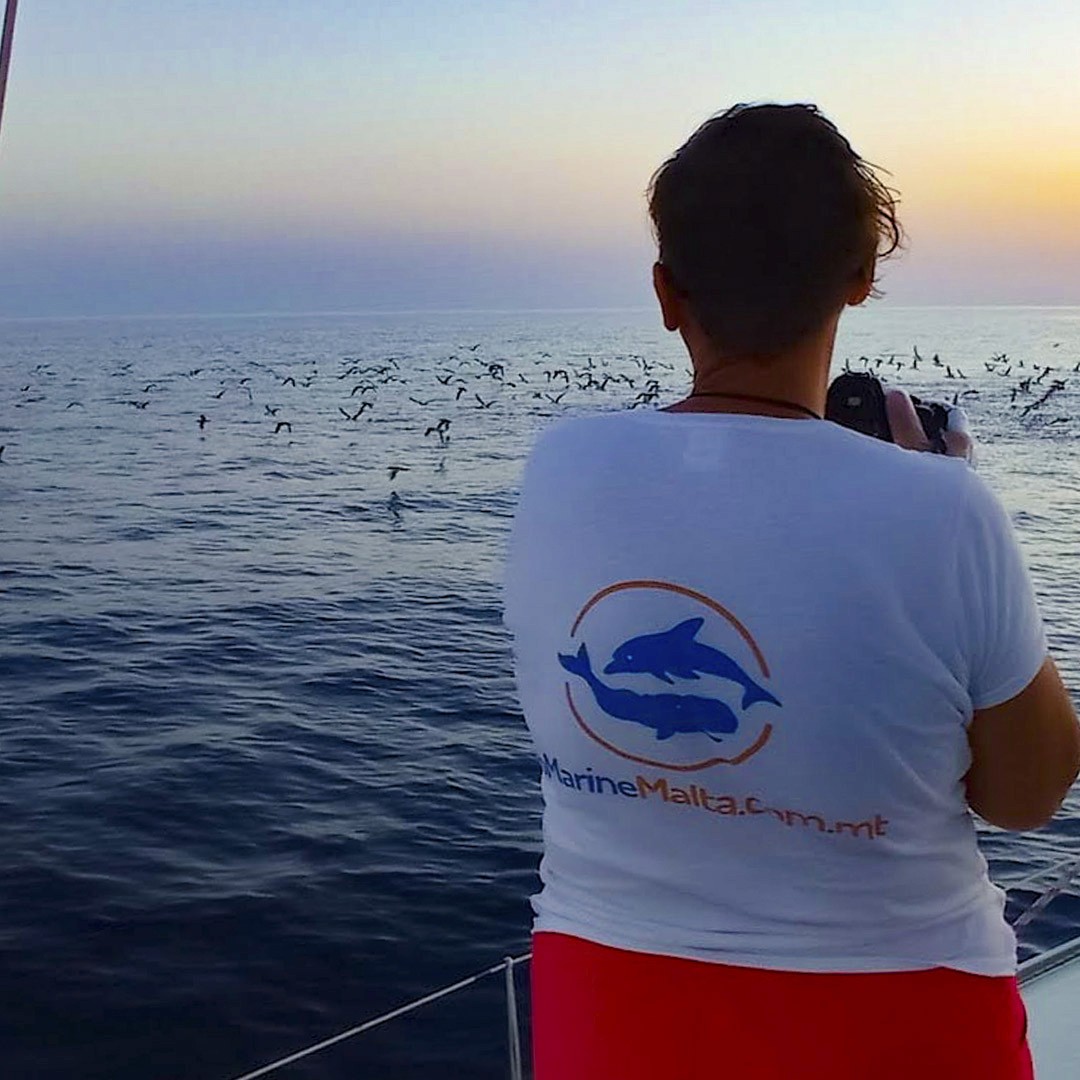
EcoMarine Malta is a sustainability-driven organisation that integrates marine tourism, education, and scientific research to advance ocean literacy and conservation in Malta. Founded by a marine biologist, it creates meaningful opportunities for the public to connect with the sea while contributing to its protection. Through guided marine life tours and citizen-science experiences, participants learn about bottlenose dolphins, turtles, seabirds, and marine ecosystems using professional research tools such as photo-identification and acoustic monitoring. Beyond tours, EcoMarine organises educational workshops in schools, public outreach events, and corporate training sessions that promote responsible practices and raise awareness of Mediterranean biodiversity. Inclusivity is at the heart of its mission, with projects such as MUFFIN, which develops marine sign language resources for the Deaf community. By collaborating with national authorities, international partners, and Erasmus+ networks, EcoMarine links science, education, and policy—offering a model of sustainable, inclusive marine stewardship for Malta and beyond.
Contact:
Contact:
Jentrix Chochy
Kenya
More info
Jentrix Chochy’s initiative, based in Nairobi, Kenya, integrates gendered Traditional Knowledge Systems (TKS) from the Kenyan coast to advance ocean literacy, conservation, and inclusive governance. By documenting and analyzing practices such as traditional navigation, sustainable fishing, and marine stewardship, the project demonstrates how TKS contribute to the ecological and cultural resilience of communities like those in the Lamu Archipelago. Emphasizing the roles of both men and women in these systems, the initiative promotes gender equity while preserving marine cultural heritage. Through participatory research methods and community engagement, the project fosters local ownership and collaboration in policymaking, contributing to inclusive and sustainable marine governance. Educational outputs include culturally relevant materials and case studies that blend scientific and traditional knowledge. By advocating for the recognition of TKS in formal marine management, this work enhances equity, sustainability, and heritage preservation, offering a model for culturally grounded ocean literacy and conservation.
Contact:
Contact:
WiseWater Academy
Ireland
More info
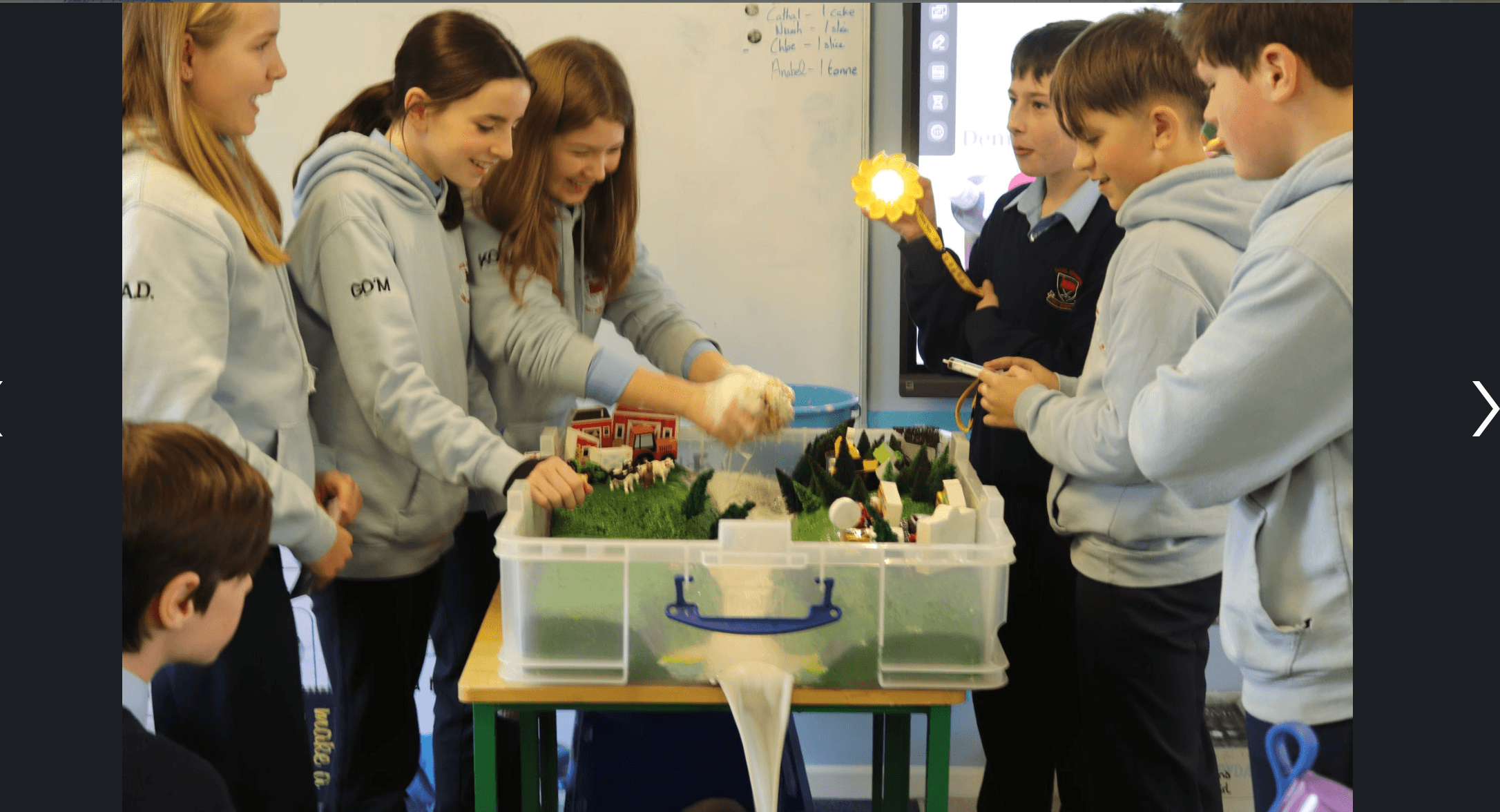
WiseWater workshops use innovative water activities as a powerful medium to promote ocean literacy, environmental awareness, and personal well-being. Designed for students and community groups, WiseWater workshops offer fun, hands-on activities that inspire a deeper understanding of the vital role water plays in our lives and how water is the foundation of sustainability. Participants gain a deeper understanding of why it's crucial to protect the ocean, rivers, and all aquatic environments, while also discovering the mental and physical benefits of connecting with blue spaces. WiseWater Workshops provide practical tools for self-care and meaningful connections with water and the world around us. Through these engaging workshops, participants are encouraged to see water in a new perspective. WiseWater’s two mottos: “Every drop counts” and “Together we can make waves” empower individuals to become active citizens, ready to play their part in protecting and preserving our precious water environments.
Contact:
Contact:
Academia del Océano
Ecuador
More info
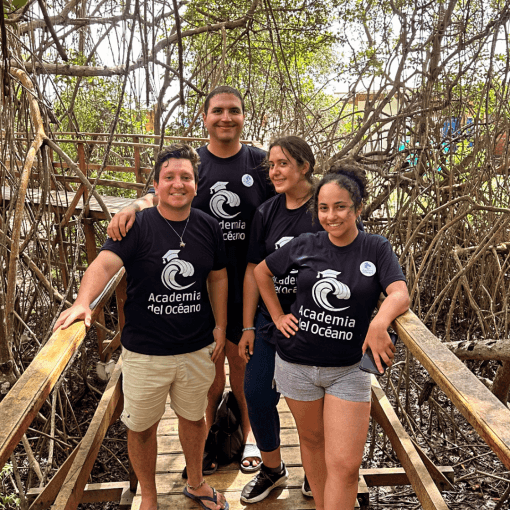
Academia del Océano addresses ocean illiteracy in Latin America through accessible, innovative and inclusive education on marine conservation and sustainability, offering workshops, webinars and courses in Spanish. Using advanced digital tools and generative artificial intelligence, it develops engaging educational materials that make complex topics understandable and applicable. With over 2,500 people educated and partnerships with global organisations such as IOC-UNESCO and the Sustainable Ocean Alliance, our programmes educate communities about the ocean's crucial role in regulating climate and sustaining biodiversity. Hands-on initiatives, such as those in San Jacinto, Ecuador, promote sustainable practices for the protection of coastal resources and marine wildlife, helping to create a collective commitment to ocean protection and global sustainability.
Contact:
Contact:
Cultura Oceanica en 360
Chile
More info
Cultura Oceánica en 360°, based in Valparaíso, Chile, is an immersive science communication initiative that promotes ocean literacy through cutting-edge technologies such as 360° video projections and virtual reality. By blending scientific knowledge with cultural heritage, the project emphasizes the ocean’s vital role in climate regulation, biodiversity, and sustaining life. Rooted in the Venice Declaration, it fosters inclusive, community-based stewardship. Workshops, school outreach, and forums engage students, educators, and local stakeholders in participatory learning, while co-developing nature-based solutions to ocean challenges like plastic pollution and climate change. The initiative produces multilingual and accessible educational content, including VR experiences adapted for individuals with disabilities. It also safeguards marine cultural heritage through storytelling and partnerships with artists, Indigenous groups, and historians. By integrating immersive storytelling with community engagement and equity, Cultura Oceánica en 360° builds emotional and intellectual connections to the ocean, empowering diverse audiences to take action in ocean conservation and governance.
Contact:
Contact:
Young Environmentalists Programme
India
More info
The Young Environmentalists Programme, based in Mumbai, promotes ocean literacy and climate awareness through a powerful blend of education, advocacy, and policy engagement. The organization collaborates with schools and communities, offering interactive, hands-on learning experiences that connect young people with the ocean and its vital ecosystems. From curriculum design to the launch of their Ocean Literacy Book for Students, the initiative equips learners and educators with knowledge and tools to foster marine stewardship. It also advocates for integrating ocean literacy into national education policies, amplifying its impact across India. Through citizen science, creative problem-solving, and inclusion of traditional knowledge, the program promotes sustainability, innovation, and equitable access to marine education. Special emphasis is placed on diversity, multilingual outreach, and the empowerment of marginalized communities, youth, and women. By safeguarding marine cultural heritage and fostering intergenerational pride, the initiative helps shape a future of informed, inclusive, and action-oriented ocean governance.
Contact:
Contact:
Resilient Oceans Initiative
Portugal
More info
The Resilient Oceans Initiative, led by Mélinda Martins and based in Portugal, promotes ocean literacy by blending scientific research on ocean-climate interactions with inclusive, community-based outreach. Through partnerships with schools and local organizations, the initiative makes ocean science—especially marine geology—accessible to a wider audience, highlighting the ocean’s role in regulating climate, shaping ecosystems, and sustaining life. The project actively involves coastal and vulnerable communities, including non-state islands, in its educational efforts, ensuring that diverse voices are represented in discussions around sustainable ocean governance. Bilingual resources and subtitled media ensure inclusivity and reach. By encouraging citizen engagement, Resilient Oceans empowers individuals to contribute to local decision-making and ocean stewardship. The initiative also preserves marine cultural heritage by connecting traditional knowledge with environmental education. Through innovative communication and a strong equity focus, Resilient Oceans builds climate awareness, advances sustainability, and inspires long-term care for the ocean across generations and communities.
Contact:
Contact:
Cultura Oceanica UNAM
Mexico
More info
Cultura Oceánica, led by the Universidad Nacional Autónoma de México (UNAM) and the Instituto de Ciencias del Mar y Limnología, is a transformative educational initiative addressing the lack of ocean literacy resources in Mexico, particularly in Spanish. Through the development of curriculum-aligned teaching materials derived from national oceanographic research, the project supports high school and university educators via the UNAM Ocean Culture portal. Linked to the UNESCO-endorsed '137.2 Ocean Literacy for the TAC Region' and supported by the Ocean Teacher Global Academy, the initiative fosters awareness of the ocean’s impact on society—and vice versa. It utilizes digital tools like the University Learning Network (RUA) and Mares multimedia products to enhance learning. Promoting diversity, inclusion, and ethical academic practices, Cultura Oceánica empowers educators, students, and researchers to collaboratively create accessible, localized ocean education. This initiative bridges the gap between science and society, advancing sustainable ocean stewardship in Latin America.
Contact:
Contact:
Mohammed VI Foundation
Morocco
More info
The Mohammed VI Foundation for Environmental Protection, based in Rabat, Morocco, champions ocean literacy through its Education for Sustainable Development (ESD) programs, in partnership with the Ministry of National Education. By integrating marine conservation themes into initiatives like Eco-Schools, Young Reporters for the Environment (YRE), and Global Schools, the Foundation advances awareness of SDG 14 (Life Below Water). Educators, students, and coordinators are trained via national and regional workshops to understand the role of oceans in regulating climate, supporting biodiversity, and sustaining life. These workshops introduce cutting-edge tools—including AI and digital platforms—to foster innovation and participatory governance. The initiative promotes inclusive engagement across diverse educational settings and empowers young people to contribute to sustainable ocean management. By embedding ocean literacy within school curricula and fostering environmental stewardship, the Foundation equips future generations with the knowledge, tools, and mindset to preserve marine ecosystems for the long term.
Contact:
Contact:
Transformar Association
Brazil
More info
The TransforMAR Project, led by the Transformar Association in Brazil and endorsed by UNESCO’s Decade of Ocean Science, empowers coastal youth from vulnerable and traditional communities through immersive ocean literacy education. The initiative combines interactive classroom workshops with experiential learning in marine environments—such as beaches, mangroves, and scuba diving excursions—to create a deep emotional and intellectual connection to the ocean. By addressing marine biodiversity, conservation, pollution, and climate change, TransforMAR equips participants with the knowledge and tools to become local advocates for ocean health. The program promotes equity by prioritizing access for Indigenous, Quilombola, and underserved communities, ensuring that ocean education is inclusive and impactful. Through role-playing activities that simulate governance processes, youth develop practical skills for public participation in marine policy. By linking marine science, cultural heritage, and community empowerment, TransforMAR fosters responsible stewardship and builds a new generation of ocean guardians.
Contact:
Contact:
Blue Design Alliance
Portugal
More info
The Blue Design Alliance (BDA) is a network of higher education institutions in Portugal dedicated to advancing ocean literacy through design-led education, research, and innovation. Rooted in the northern coastal and inland regions, the BDA trains students and adults in blue economy practices, linking design with sustainability, circularity, and inclusivity. Through the STEAM Youth Impulse and Adult Impulse programmes, it offers workshops, technical courses, and postgraduate opportunities that promote ocean knowledge and literacy, particularly in underserved communities. By applying Design Thinking, BDA empowers learners to develop real-world solutions to marine challenges like pollution, biodiversity loss, and coastal resilience. Its projects reflect the cultural and ecological importance of the ocean, supporting local engagement and the preservation of marine heritage. In line with the Venice Declaration, BDA fosters participatory, inclusive approaches that prepare the next generation of designers to become advocates for ocean sustainability and active contributors to resilient coastal communities.
Contact:
Contact:
Futuro Azul
Chile
More info
Futuro Azul, an initiative by ONG Pesca Sustentable in Chile, is an innovative digital platform that empowers consumers to make sustainable seafood choices. Offering detailed species profiles—covering environmental impact, nutrition, sourcing methods, and cooking tips—the platform educates users on the sustainability of over 170 marine species, while promoting lesser-known alternatives to reduce pressure on overexploited stocks. Futuro Azul also connects with businesses through its 'Programa de Embajadores', guiding restaurants and markets toward sustainable sourcing. In collaboration with Chile’s Ministry of the Environment and UNDP, it supports artisanal fishing communities—such as those in Huellelhue—by recognizing and promoting sustainably harvested native species like the Choro mussel. The initiative aligns with the Venice Declaration by merging science, culture, and blue economy principles to reconnect people with the ocean. Futuro Azul is a free, accessible tool that champions ocean literacy, cultural heritage, and systemic change—promoting marine stewardship and supporting Chile’s transition to a more sustainable blue economy.
Contact:
Contact:
Citizens of Surf
Portugal
More info
Citizens of Surf is a Portugal-based initiative linking surf culture with ocean literacy. Evolving from a Master's study, the project explores how surfers—through lived experience and observation—naturally embody core principles of ocean literacy, especially Principles 3, 5, and 6. Working with surf schools like Soul and Surf and Surf With Amigas, the team developed a curriculum embedding these principles into surf instruction. Through co-designed projects, such as local surf ecosystem monitoring and kelp forest restoration campaigns (e.g., ReGeneration Surf), Citizens of Surf demonstrates how surfers can bridge science and community. Rooted in systems thinking, the initiative aims to empower surfers with knowledge and tools to communicate ocean threats and influence change. The project also seeks to decolonize modern surf culture, acknowledging its Indigenous origins across Polynesia, West Africa, and South America. With academic and community partnerships, Citizens of Surf aims to scale its model globally while deepening surfing’s role as ocean stewardship in action.
Contact:
Contact:
BRIDGES
Cameroon
More info
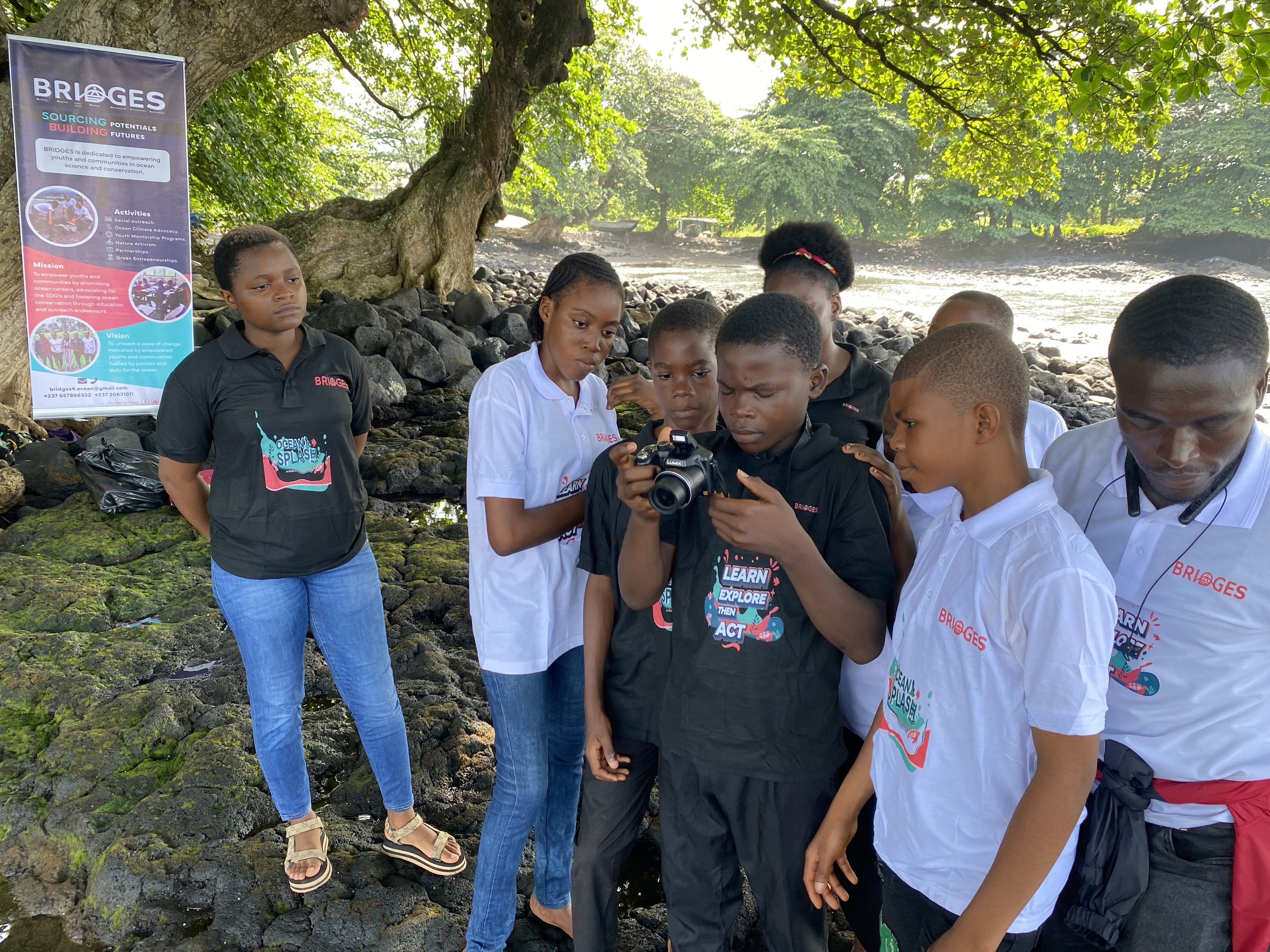
BRIDGES (Building Resilient Individuals, Developing Generational Environmental Sustainability) is a grassroots initiative based in Limbe, Cameroon, focused on bridging the environmental education gap among youth, particularly in underserved and coastal communities. Born from founder Sandra Forbah’s personal experience of growing up without environmental or ocean literacy, BRIDGES promotes awareness through six pillars: Social Outreach, Ocean Climate Advocacy, Youth Mentorship, Nature Artivism, Green Entrepreneurship, and Growth & Partnerships. The program leverages storytelling, art, social media, and capacity-building workshops to foster ocean stewardship and inspire careers in marine science. It also explores sustainable livelihoods, such as eco-charcoal and coconut oil production. Aiming to reform systemic education gaps from the ground up, BRIDGES emphasizes inclusion, creative expression, and practical engagement. By cultivating local talent and environmental responsibility, it empowers young people to become changemakers and pushes for the integration of ocean literacy into Cameroon’s educational system.
Contact:
Contact:
Aquatic Life Institute
USA
More info
Aquatic Life Institute (ALI) works to advance animal welfare in capture fisheries by integrating science-based welfare standards into fisheries management. Through education, policy advocacy, and stakeholder collaboration, ALI promotes humane handling and capture techniques that link animal welfare with ocean sustainability. By raising awareness of the sentience of aquatic animals, ALI fosters a deeper public understanding of marine life and encourages ocean stewardship. Its efforts contribute to ocean literacy by highlighting the role of aquatic animals in biodiversity, climate regulation, and food systems. ALI engages policymakers, industry leaders, coastal communities, and small-scale fishers to co-develop welfare-centered practices, ensuring inclusive participation in sustainable ocean governance. With multilingual, accessible resources and research-based policy briefs, the initiative empowers diverse audiences to recognize the ethical and ecological importance of ocean conservation. ALI also supports marine cultural heritage by promoting traditional fishing methods that align with both environmental sustainability and humane practices.
Contact:
Contact:
World Ocean Observatory
USA
More info
The World Ocean Observatory (W2O) is a leading global platform dedicated to ocean advocacy through science, policy, education, and communication. Leveraging multi-media platforms, including syndicated audio, video aggregation, forums, publications, and social media, W2O reaches millions of 'citizens of the ocean' worldwide. Central to its mission is World Ocean Explorer—a free, virtual aquarium and ocean literacy curriculum available globally online, ensuring barrier-free access to education. The initiative emphasizes intergenerational, interdisciplinary, intercultural, and international engagement, with plans to expand into five languages by 2025. Through direct classroom collaboration, content creation, and global dissemination, W2O transforms knowledge into action and promotes equity and inclusion. Recognized by the UN Ocean Decade and linked with global ocean literacy networks, the program advances innovative, democratic, and culturally rich ocean education. Its resources support teachers, museums, aquaria, youth organizations, and lifelong learners, fostering a broad, informed, and engaged ocean-literate public.
Contact:
Contact:
Fisher Folk First
Turks and Caicos Islands
More info
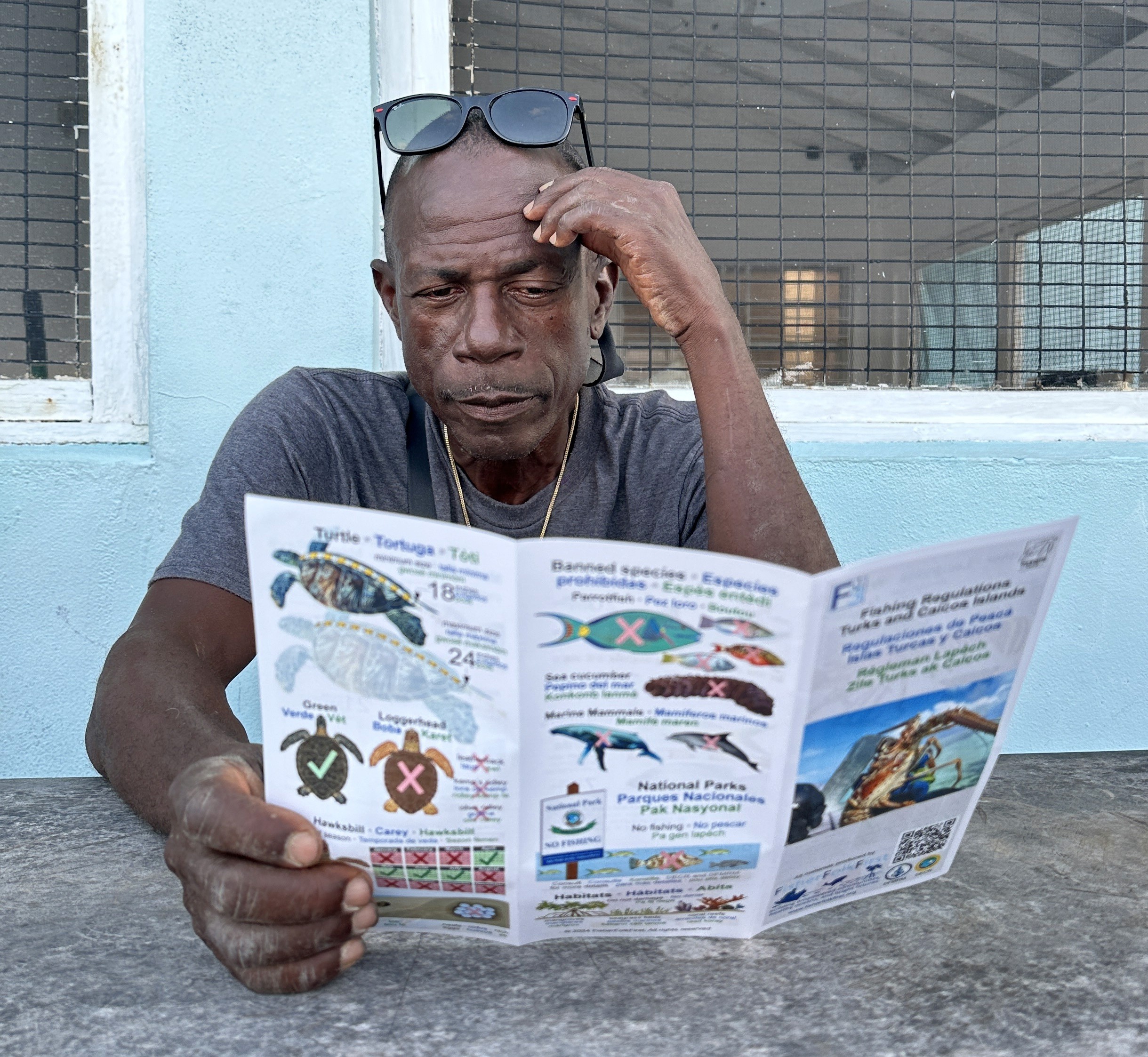
FisherFolkFirst is a non-profit organization that works to empower small-scale fishers and fish workers to build environmentally, economically, and socially sustainable small-scale fisheries where their rights are respected, their voices are heard, coastal and marine environments are healthy, and fisherfolk have secure prosperous futures. FisherFolkFirst achieves this through outreach and education, implementation, and research. Ocean literacy is a key component of FisherFolkFirst’s work. Small-scale fishers and fish workers throughout the world have a greater direct interdependency on the ocean than any other group of people. Therefore, developing fisherfolk’s understanding of their impact on the ocean and the ocean’s impact on them is essential for their livelihood security and for the conservation of ocean biodiversity. FisherFolkFirst’s inclusive approach ensures that ocean literacy is accessible to marginalized groups, those who struggle to read, and fisherfolk with a diversity of cultures and languages.
Contact:
Contact:
Schools Across the Ocean
UK
More info
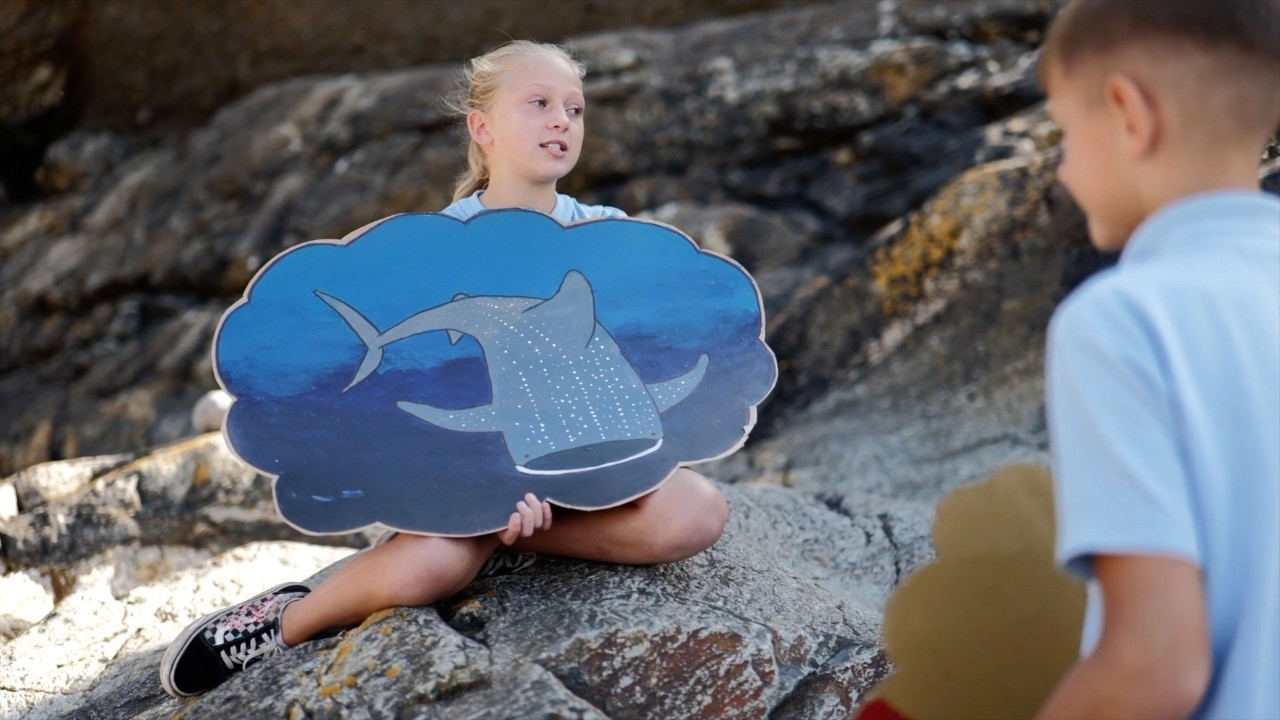
Schools Across the Ocean is a global education initiative that connects schools around the world, offering teachers robust training in ocean and climate literacy. Through a multilingual and multisensory approach, the program ensures inclusive access for students of all backgrounds and abilities. Using a toolkit aligned with the seven ocean literacy principles, teachers help students explore marine ecosystems, like seagrass beds, and engage in citizen science projects. Creative expression through film, poetry, and visual arts empowers children to voice their hopes and concerns about ocean health. These outputs are showcased at climate conferences and presented to policymakers, amplifying young voices in global discourse. The initiative supports schools in revising their curricula, purchasing policies, and community engagement strategies. Intergenerational learning is also emphasized, preserving local ocean heritage and knowledge. With a growing network and over 2000 children reached, the program is shaping a new generation of ocean advocates.
Contact:
Contact:
Envirovision 2050
India
More info
EnviroVision2050’s Green Leaders Programme is a youth-led initiative in India that blends education and advocacy to promote ocean literacy, especially among students in non-coastal and underserved areas. Founded and curated by Charu, the programme uses a transdisciplinary approach—linking ocean science with art, technology, social media, and policy—to empower young changemakers. Through hands-on workshops, storytelling, citizen science, and interactive campaigns, youth gain a deep understanding of the ocean’s role in climate, biodiversity, and human well-being. From clean-ups and brand audits to awareness drives and creative outreach, it fosters youth-led action. The programme celebrates inspiring “Ocean Heroes” and ensures inclusivity through culturally sensitive content in native languages like Hindi. In collaboration with schools, NGOs, and policymakers, EnviroVision2050 brings the ocean into classrooms and communities—nurturing future leaders and careers in conservation.
Contact:
Contact:
The Ocean Advocate
South Africa
More info
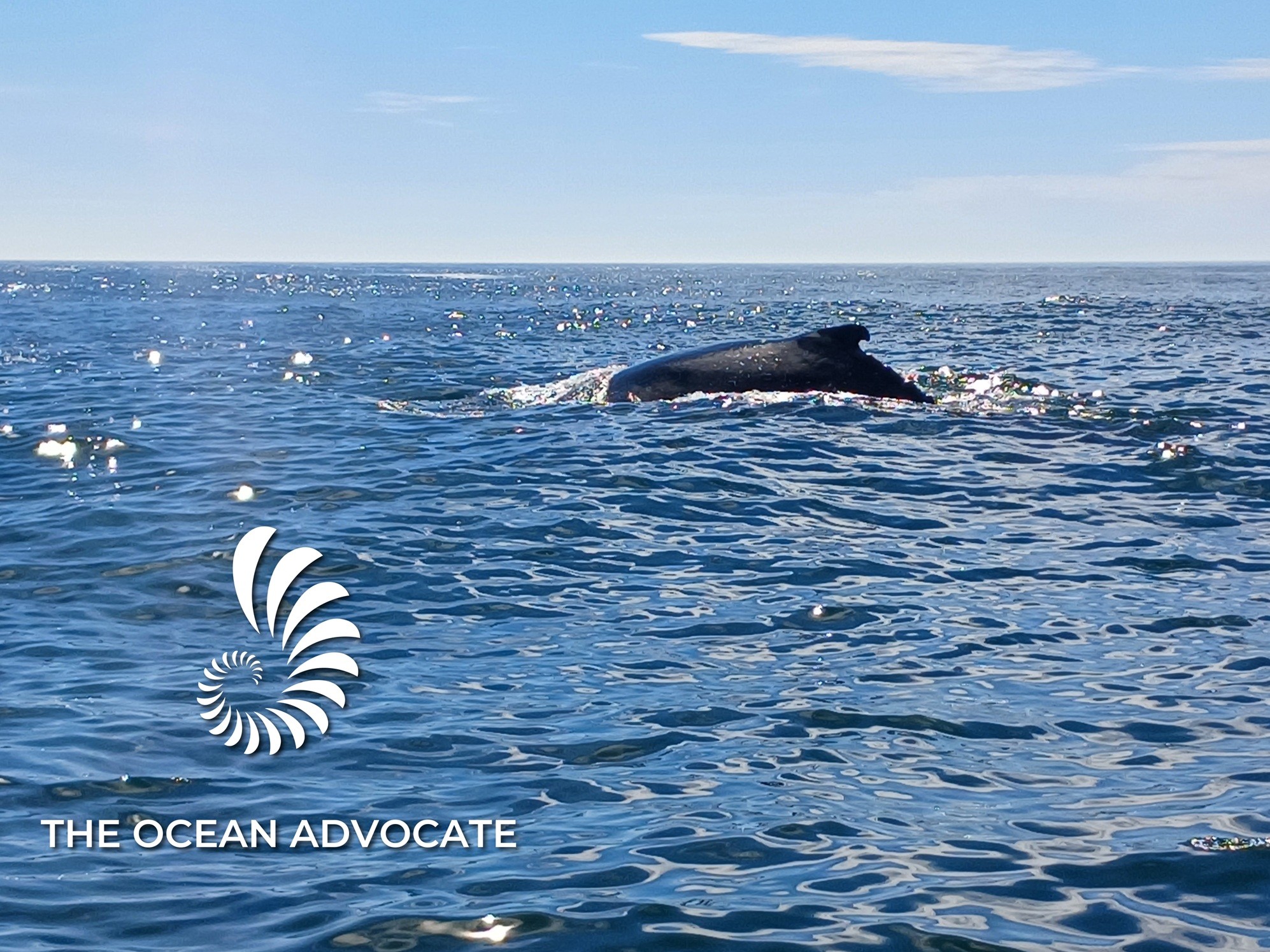
The Ocean Advocate is a dynamic, women-led initiative based in South Africa that champions ocean literacy through accessible, engaging, and impactful communication. Founded by journalist and marine communicator Renée Bonorchis, it curates global ocean news, produces weekly newsletters, and shares educational content across social media to deepen public understanding of ocean health and its links to climate, biodiversity, and human well-being. The Ocean Advocate promotes hands-on involvement through talks, citizen science, and partnerships—such as with the Two Oceans Aquarium Foundation to co-develop inclusive marine courses. With a strong focus on accessibility and inclusion, it offers free learning materials and promotes the efforts of fellow ocean-focused organisations. As an endorsed UN Ocean Decade partner and Earthshot Prize nominator, The Ocean Advocate also highlights endangered species and sustainable living, actively working to protect marine ecosystems and inspire collective action.
Contact:
Contact:
SeaVoice
UK
More info
SeaVoice is an innovative platform that delves deep into the intricate relationship between culture, climate, and water. Through thought-provoking articles, captivating stories, and insightful narratives, SeaVoice sheds light on the intersection between the ocean and culture, inspiring collective responsibility for our blue spaces. Curated by academics on the frontline of the ocean climate crisis, this non-profit digital platform amplifies the voices, research, activism, and art of the people who work, live, and survive by bodies of water. SeaVoice has published one print edition and six quarterly digital volumes since its founding in 2023: Osmosis, Community, Gen Sea, Blue Tech, Sense, and Waterwomxn. SeaVoice is an endorsed activity of the UN Ocean Decade through the Ocean Decade Heritage Network’s Cultural Heritage Framework Programme. With a focus on the key global challenges of the UN Ocean Decade, SeaVoice emphasises the importance of understanding the complex interplay between culture and the environment in tackling the pressing issues we face today.
Contact:
Contact:
Back to Blue
Japan
More info
Back to Blue is a global initiative launched in 2019 by Economist Impact and The Nippon Foundation to address ocean health through evidence-based solutions. Initially focused on pollution—including plastics, chemicals, wastewater, and acidification—Back to Blue added ocean literacy as a strategic pillar in 2024. The initiative reframes the discourse around marine pollution to include both plastics and chemical contaminants, while promoting the concept of "zero pollution" as a critical global goal. Through research reports, podcasts, documentaries, and high-profile events like The Economist’s World Ocean Summit, Back to Blue engages the public and policymakers to drive systemic change. In 2023, the initiative reached over 58 million people via social media and 400,000+ through its website, with a vast majority of users reporting increased knowledge and motivation to act. Back to Blue is also collaborating with UNESCO-IOC and UNEP on a global roadmap to eliminate ocean pollution by 2050.
Contact:
Contact:
The Blue Marble
USA
More info
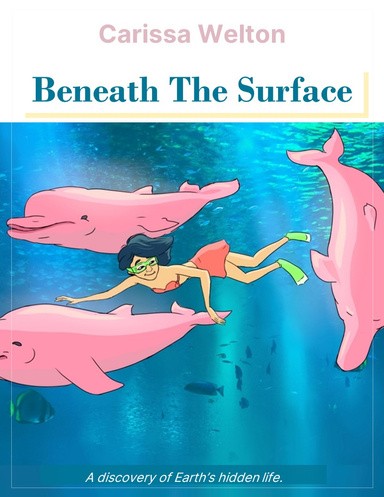
The Blue Marble Series is a creative literary and educational initiative that enhances ocean literacy through a unique blend of storytelling and science. Written for readers aged 10 and up, each short novel in the series explores marine themes through an ecomythological lens, combining fictional narratives with real-world ocean issues. Accompanying each story is a detailed activity pack aligned with STEAM and educational standards, featuring lessons on biodiversity, overfishing, and marine pollution. Rooted in field experience and cultural research, the series aims to deepen readers’ connection with the ocean while fostering critical thinking, language development, and environmental advocacy. Each book highlights local marine challenges and includes actions readers can take, no matter where they live. With multilingual components and cultural insights, the series promotes diversity, equity, and a global appreciation for the ocean’s role in sustaining life on Earth. It is an engaging resource for classrooms, libraries, and families alike.
Contact:
Contact:
Generation Artivism
India
More info
Generation Artivism is an innovative initiative based in Mumbai that harnesses the power of art to inspire ocean literacy and climate advocacy among youth. Through creative storytelling, school outreach, and visual campaigns, the program transforms complex ocean issues—like biodiversity loss, pollution, and climate change—into relatable and visually engaging content. With over 5,000 people reached, Generation Artivism empowers young people to become changemakers, emphasizing how everyday actions impact the ocean. Its accessible and inclusive approach includes art contests, educational toolkits, and art exchanges that promote emotional and intellectual connections with marine ecosystems. The initiative promotes diversity by elevating voices from underrepresented communities and making ocean education engaging even in landlocked areas. While not focused directly on marine cultural heritage, it fosters sustainability through ocean optimism and creative expression. Generation Artivism is an art-driven model for inclusive, engaging, and action-oriented ocean literacy.
Contact:
Contact:
PlasticompACT!
Turkey
More info
plasticompACT! is an innovative, globally-scalable initiative based in Turkey that incentivizes plastic waste collection through micro-rewards, transforming trash into a valuable currency. By partnering with local businesses and communities, plasticompACT! enables individuals—especially in coastal and fishing communities—to earn micro-incomes and rewards through sustainable behaviors. The initiative's motto, 'Micro action, micro rewarded,' reflects its mission to drive systemic change through atomic habits. Beyond collection, it fosters behavioral transformation by raising awareness about plastic pollution, offering sustainable alternatives, and improving waste management systems. With a strong emphasis on inclusion, plasticompACT! engages a wide audience—from policymakers to schoolchildren—through accessible outreach and local economic engagement. By positioning plastic waste as a redeemable resource, it encourages responsible consumption, fosters civic pride, and promotes ocean literacy as a pathway to restoring planetary ecosystem health. plasticompACT! empowers 16 billion hands to clean the planet, one plastic item at a time.
Contact:
Contact:
CrewingAT
Philippines
More info
The crewingAT programme, led by the Office of the Youth in Maritime (YIMO) in the Philippines, advances ocean literacy by embedding sustainability and environmental stewardship into maritime training. Focused on the next generation of seafarers and maritime professionals, the initiative integrates science-based tools and technologies to reduce the industry’s environmental footprint—addressing issues such as pollution, emissions, and crew safety. It promotes ocean-conscious decision-making while enhancing understanding of the ocean's critical role in regulating climate, sustaining biodiversity, and supporting global livelihoods. Through global partnerships, self-paced digital modules, and in-person workshops, crewingAT builds capacity, encourages intergenerational learning, and strengthens inclusive access to maritime careers—especially for women and youth in underprivileged areas. By aligning with frameworks from UNITAR, IMO, and UNESCO-IOC, the programme also contributes to broader ocean governance goals. crewingAT repositions seafarers as ocean stewards, bridging the gap between maritime operations and sustainable ocean futures.
Contact:
Contact:
Ocean Lives
Liberia
More info
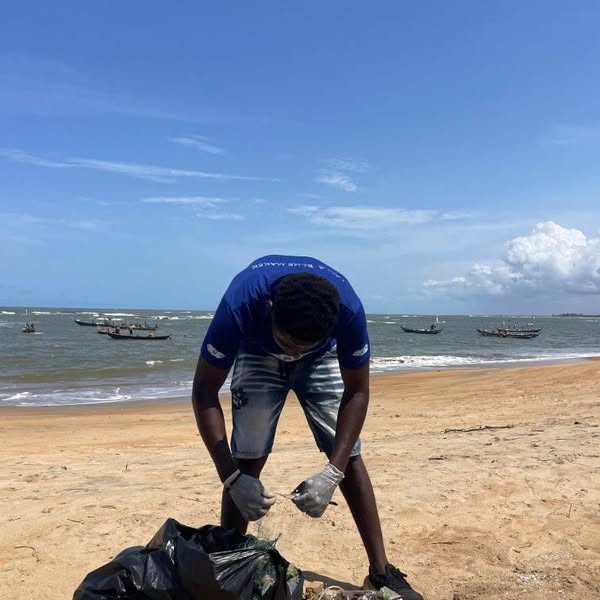
"Ocean Lives" is a dynamic initiative based in Liberia that combines interactive online engagement with hands-on action to foster ocean literacy and environmental stewardship. Led by Simon Morris, the project educates youth and coastal communities about marine ecosystems, pollution, biodiversity, and sustainable practices through digital content, community workshops, and weekly coastal cleanups. The initiative promotes inclusivity by tailoring materials to diverse audiences and ensuring accessibility across learning styles. By creating open forums that unite local residents, scientists, policymakers, and businesses, "Ocean Lives" fosters participatory engagement and transparency in ocean-related decision-making. The project aligns with the Venice Declaration, emphasizing food security, plastic pollution, and conservation awareness through direct community action and educational outreach. Additionally, "Ocean Lives" advocates for sustainable technologies and policy reforms to tackle environmental degradation, offering a practical and community-driven model of ocean advocacy. Its holistic approach empowers a new generation of ocean stewards and promotes sustainable coastal futures.
Contact:
Contact:
Mertrina Marine Minded Network
Trinidad and Tobago
More info
Mertrina Marine Minded Network is a unique Caribbean-based initiative led by Katrina Khan-Roberts, blending science and art through the persona of "Mertrina"—a mermaid character who educates audiences on ocean conservation. With a foundation in natural science and a flair for creative communication, Mertrina engages diverse communities through storytelling, interactive campaigns, and educational programs, both online and in person. The initiative champions ocean literacy across sectors—from students and educators to policymakers and coastal communities—by crafting inclusive, accessible content that demystifies marine ecosystems and inspires behavioral change. Mertrina advocates for participatory governance, particularly in policy areas like fisheries legislation, ensuring underrepresented voices are heard. The initiative also honors indigenous knowledge systems and traditions, embedding them in its outreach. By uniting emotion and intellect, Mertrina cultivates deeper public connection to the ocean, encouraging a shift toward sustainable living and a collective sense of stewardship for marine environments.
Contact:
Contact:
CORI
Spain
More info
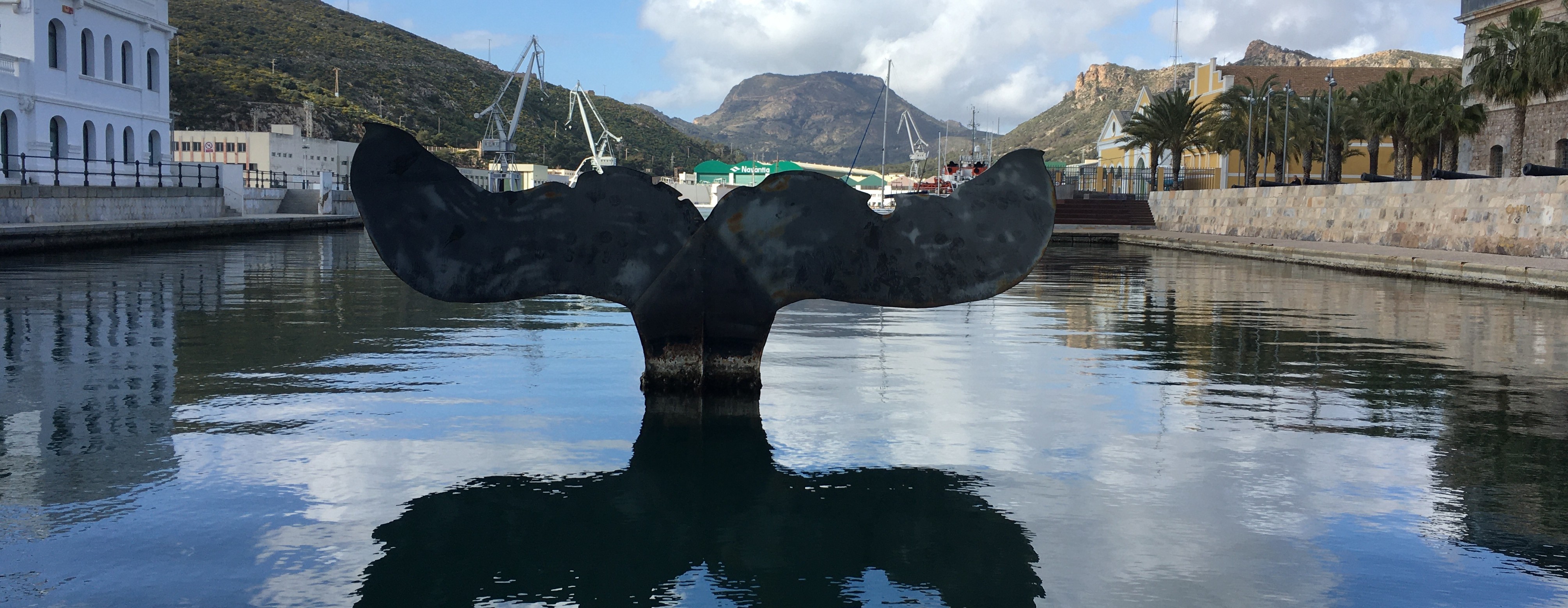
At the Cartagena Oceanographic Research Institute (CORI), we are dedicated to unveiling the mysteries of the deep sea. Based in the Region of Murcia, our mission is to explore and document the seafloor beyond 100 meters depth to assess human impact and provide critical data for future conservation efforts. Through education, research, and innovation, we aim to inspire a new generation of ocean explorers and bring the wonders of the deep ocean to the public. We believe ocean literacy is essential for protecting marine ecosystems. That’s why we connect science, engineering, and outreach to make deep-sea knowledge accessible to everyone. Our present is, for example, the CanGoDeep project where secondary student design, built and deploy a BRUV at 100 meters depth or one of our future project is to build an Ocean Exploration Museum to engaging schools and communities. We want to show that small institutions can make an impact on the ocean exploration and literacy.
Contact:
Contact:
Ocean Travelers
Uruguay
More info
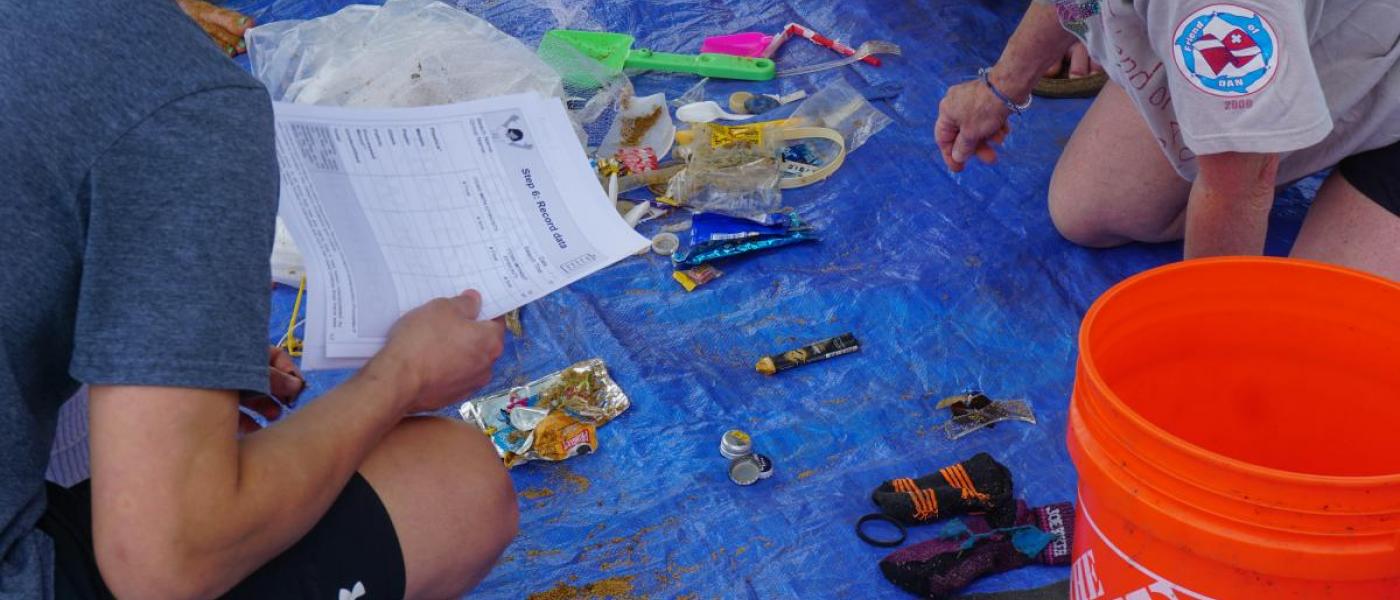
Dr. Erika Meerhoff, a researcher at Uruguay’s Environmental Science Research Centre (Clemente Estable Biological Research Institute), leads the "Ocean Lives" outreach initiative to foster ocean literacy among students across public, private, and rural schools. Her school visits combine scientific knowledge with hands-on learning, introducing students—particularly those from coastal or underserved regions—to the ecological importance and human impacts on marine ecosystems. In collaboration with the Smithsonian’s Ocean Travelers and Beach Surveyor projects, Erika presents real-time research results, often using microscopes and visual materials to connect students with ocean science. She ensures inclusion by adapting content for students with diverse cognitive abilities and making ocean education accessible across socioeconomic backgrounds. Her upcoming efforts focus on integrating sensor-based technology into elementary science lessons. Through this dedicated outreach, Erika bridges academic research with community learning, inspiring a new generation to understand and protect the marine environment, especially in countries like Uruguay where such programming remains rare.
Contact:
Contact:
2811 Academy
Chile, Germany
More info
2811 is an international organization bridging Chile and Germany that champions a regenerative blue economy through education, innovation, and equity. With Chile’s vast and biodiverse coastline as a focal point, 2811 leads transformative programs such as the Blue Economy Bootcamp in Los Lagos and the Regenerative Blue Economy Academy in Antofagasta, empowering communities to engage in sustainable marine practices. Their initiatives support youth, educators, and women entrepreneurs—particularly in coastal regions—by promoting sustainable tourism, biodiversity conservation, and circular economy models. Through vocational training and Erasmus+ collaborations, 2811 enhances scientific and technical skills while fostering cross-national partnerships across Chile, Germany, Colombia, and Spain. The organization also mobilizes private capital through innovation courses, advancing scalable solutions for ocean sustainability. Central to its mission is the integration of traditional knowledge and marine cultural heritage into economic revitalization. 2811’s participatory and inclusive approach nurtures ocean literacy and positions coastal communities as stewards of marine ecosystems.
Contact:
Contact:
The Blue Life Hub
Italy
More info
Blue Life Hub promotes ocean literacy by integrating sustainable Blue Economy practices, innovation, and cultural heritage preservation. Aligned with the Venice Declaration, the initiative engages coastal communities across the Mediterranean and Africa, disseminating knowledge through an accessible digital platform with a robust network of regional focal points. It supports sustainable fisheries, aquaculture, regenerative coastal tourism, and circular economy principles, fostering inclusive economic opportunities, particularly for women, youth, and underserved communities. Educational activities include training, event participation, and knowledge-sharing, empowering stakeholders to adopt informed practices in ocean stewardship. Notable projects include mussel farming in Morocco, fisheries value-chain enhancement in Kenya, and circular economy initiatives in Italy. Emphasizing diversity and inclusion, Blue Life Hub ensures open access to educational content, creating a global, collaborative space that equips communities with the tools, data, and cultural insights necessary to protect marine ecosystems and drive sustainable coastal development.
Contact:
Contact:
Prawn conservation in Ubjei
Nigeria
More info
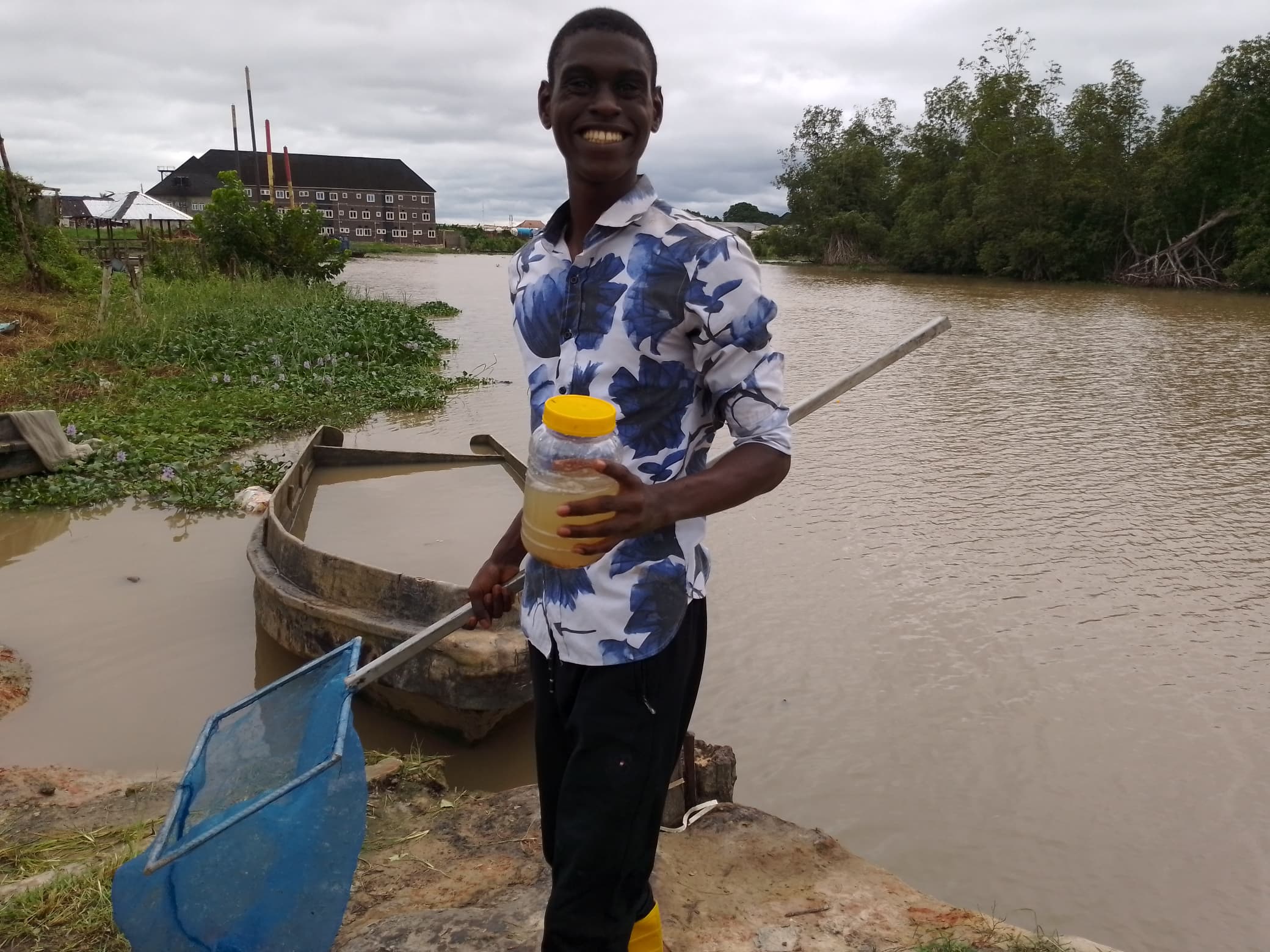
The "Prawn Conservation in Ubeji" initiative, led by Uwhuseba Success Ogheneruona, combines science, traditional knowledge, and community engagement to promote sustainable aquaculture and ocean literacy in Nigeria’s coastal Ubeji region. Amid pollution and habitat loss, this project employs bio-sampling, geospatial tools, and water quality monitoring to assess prawn habitats while educating local communities on sustainable practices. Workshops empower fishers, women, and youth to adopt ethical fishing techniques, conserve biodiversity, and reduce pollution. The initiative promotes intergenerational knowledge transfer and inclusivity, ensuring marginalized voices contribute to marine governance. Culturally grounded and scientifically informed, it highlights the ecological and economic importance of coastal ecosystems. It also fosters innovation through technologies like biofilter systems and supports nature-based solutions such as mangrove restoration. By integrating traditional marine practices with environmental stewardship, the project sustains marine cultural heritage and equips the community to lead conservation efforts that align with SDG 14 and global sustainability goals
Contact:
Contact:
Ocean Conservation Trust: Blue Mind Hub
UK
More info
The Blue Mind Hub, part of the Ocean Conservation Trust, connects community mental health directly with ocean literacy by harnessing the restorative benefits of the marine environment. Drawing on Wallace J. Nichols’ Blue Mind Theory, the project offers specialized experiences designed to boost wellbeing through engagement with marine ecosystems. Participants, referred via social prescribing services, explore ocean literacy hands-on through snorkelling, coastal explorations, and aquarium-based activities, enhancing their understanding of marine biodiversity and conservation. Activities range from accessible aquarium visits to immersive snorkelling sessions, encouraging participants to form deeper connections with ocean spaces. This initiative underscores ocean literacy’s holistic value, demonstrating how increased awareness and appreciation of marine environments contribute directly to improved mental health and community wellbeing. Through practical, sensory-rich experiences, the Blue Mind Hub fosters a broader societal appreciation of the ocean’s critical role in sustaining both environmental and personal health.
Contact:
Contact:
Art4Sea
Italy
More info
ART4SEA is a transdisciplinary initiative that merges art, marine science, and digital technology to enhance ocean literacy in the Mediterranean region. Selected through an open call, 24 international artists were trained in ocean conservation and sustainable art practices. In 2024, they undertook residencies on the islands of Ustica, Alonissos, and Gozo, engaging local communities and drawing inspiration from marine ecosystems and cultural heritage. Their resulting artworks—12 physical and 12 digital—will form an open-air and underwater museum, as well as a globally accessible virtual exhibition. ART4SEA fosters participatory ocean governance through partnerships with municipalities and marine protected areas, while advancing gender equality, diversity, and inclusive education. By integrating storytelling, science, and place-based engagement, the project transforms abstract marine issues into relatable narratives, catalyzing collective action for ocean sustainability. Educational programs in partner cities further reinforce its legacy, engaging students and the public in creative, accessible pathways to ocean stewardship.
Contact:
Contact:
Fundacion Naveducando
Ecuador
More info
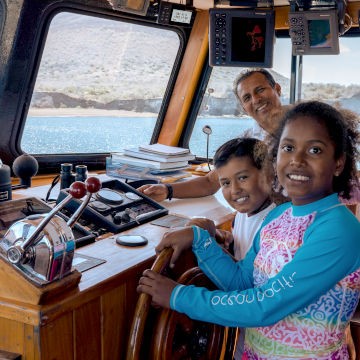
Fundación Naveducando delivers immersive, ship-based educational journeys for all 7th grade students across the four inhabited Galápagos Islands, fostering deep, lasting connections to the ocean. Their Ocean Classroom methodology blends ocean literacy principles with hands-on exploration of the Galápagos Marine Reserve, engaging students in both above- and below-water experiences. The program covers the ocean’s critical functions—such as oxygen production, climate regulation, and biodiversity—alongside major challenges like plastic pollution and overfishing. Naveducando’s work aligns with local governance processes and educational reforms, participating in multi-sectoral initiatives like Acuerdo Galápagos por la Educación. The foundation ensures inclusive access by working with all schools, including those for children with special needs, and by incorporating both formal and non-formal education methods. Bridging conservation, science, and sustainable tourism, Naveducando cultivates long-term behavior change and island-wide ocean stewardship, embedding the cultural and ecological value of the Galápagos marine environment into the next generation’s identity.
Contact:
Contact:
Zeitgeist 19
Italy
More info
ZEITGEIST19’s “As Above, So Below” is a hybrid initiative blending podcast series, artist residencies, and immersive exhibitions to promote ocean literacy through art, science, and storytelling. The project explores the interconnectedness of planetary and marine health, presenting conversations with leading voices like Sylvia Earle and Vincent Doumeizel, and showcasing visual narratives co-created by artists and scientists. Aimed at diverse global audiences, the initiative highlights urgent ocean issues, from biodiversity loss to sustainable blue economies, while proposing regenerative, nature-based solutions. It prioritizes accessibility and inclusion, particularly through its focus on female-led and community-rooted projects. The digital platform—designed as an artwork in itself—offers global access to an evolving archive of knowledge, interviews, and multimedia content. By merging creative expression with scientific insight, “As Above, So Below” fosters a cultural and emotional connection to the ocean, inspiring collective responsibility and action toward ocean protection and planetary well-being.
Contact:
Contact:
Fundacion Amiguitos del oceano
Ecuador
More info
Fundación Amiguitos del Océano leads a community-based, UNESCO-endorsed initiative in Ayangue, Ecuador, promoting ocean literacy through immersive education and action. Rooted in the ESRA methodology—Explore, Sense, Reconnect, Act—the program empowers children, fishers, and tourism workers to build emotional and practical connections to marine ecosystems. The foundation offers tailored, multi-month programs, including an 11-month Ecoclub for children, sustainable fishing workshops, and tourism sector training. Activities include mangrove eco-tours, marine debris cleanups, and circular economy initiatives, with measurable behavioral change tracked through developed indicators. The team also supports Ecuador’s national curriculum reform by embedding ocean literacy content. By blending scientific knowledge with ancestral practices and community engagement, the initiative revitalizes cultural heritage and fosters pro-ocean habits. Through collaborations, including citizen science and snorkeling training for youth, Fundación Amiguitos del Océano builds an inclusive, sustainable model for marine stewardship that continues to expand its reach and impact in coastal Ecuador.
Contact:
Contact:
Hotlane
South Africa
More info
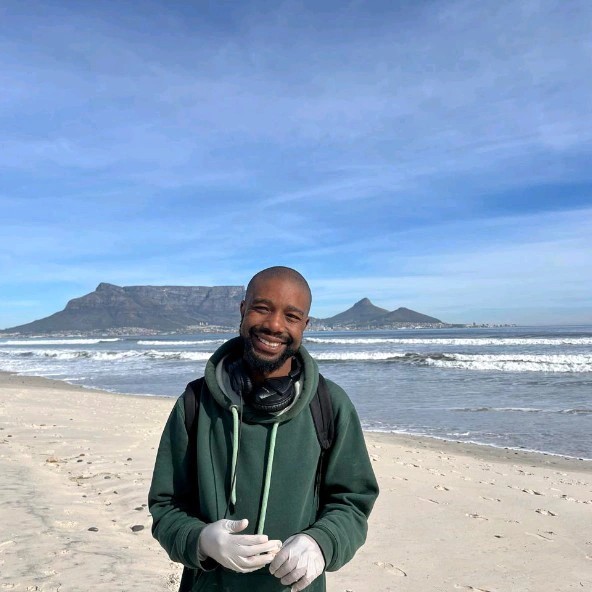
Hotlane Organization empowers university students in South Africa through experiential learning that combines marine education with environmental action. Focused particularly on marine science students, the initiative organizes beach clean-up excursions that double as hands-on educational experiences, fostering a direct connection between participants and the ocean. By integrating physical activities such as sports and group recreation, the program enhances inclusivity, team cohesion, and the psychological well-being of participants while reinforcing environmental stewardship. Hotlane collaborates with partners like The Ocean Expert, Sustainable Seas Trust, and the UN Ocean Decade to provide high-quality educational resources and amplify its impact. The organization actively visits institutions to raise awareness about ocean sustainability and encourages youth to shape the future they want to inhabit. With an open-door approach that welcomes all students, Hotlane bridges social divides and cultivates a generation of environmentally conscious leaders through action-oriented, community-driven ocean literacy.
Contact:
Contact:
Sustainable Futures
India
More info
Sustainable Futures is a capacity-building organization based in India that empowers industries to align economic growth with environmental and social responsibility. Specializing in Life Cycle Assessment, GHG reporting, and ESG training, the organization supports businesses in minimizing environmental impact while advancing workforce efficiency, cost reduction, and social justice. Through its dedicated training arm, Sustainable Futures equips stakeholders with actionable knowledge on topics including ocean governance and sustainable resource use. By functioning as a “University for Industry,” the organization bridges the gap between technical expertise and real-world application, translating complex sustainability concepts into practical strategies. Its initiatives also help organizations meet international ESG benchmarks such as SEDEX and SMETA, advancing diversity and ethical practices. Though not directly focused on marine cultural heritage, Sustainable Futures plays a vital role in strengthening the blue economy through innovation, multi-stakeholder partnerships, and support for national climate commitments.
Contact:
Contact:
Blue Growth Alliance
Ghana
More info
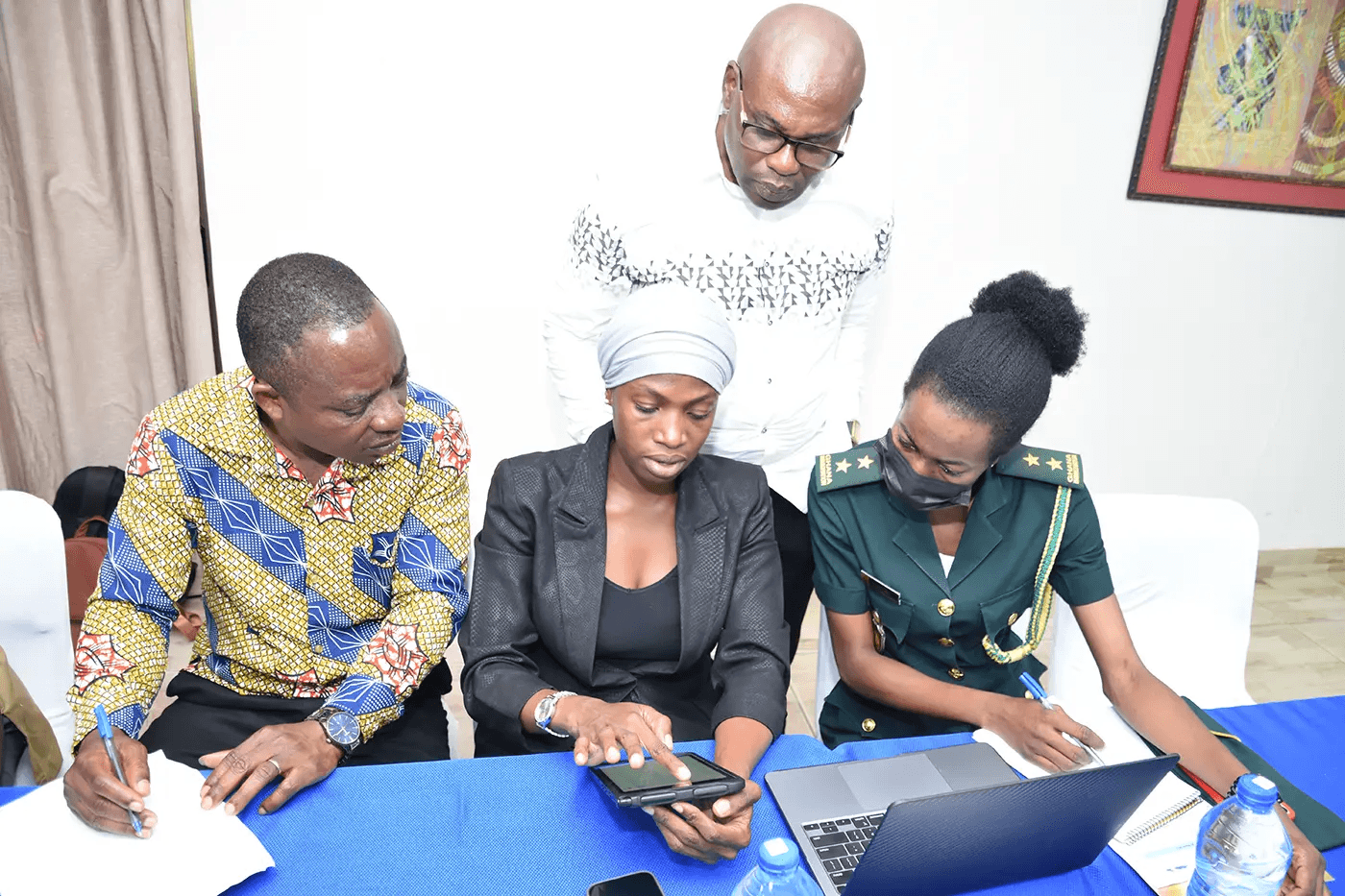
Blue Growth Alliance is a Ghana-based NGO focused on supporting women and children, promoting coastal restoration, and raising awareness of coastal protection. Its flagship initiative, “The Coastal Women Project,” targets gender equity in the Volta Region by empowering small-scale women fishers through community outreach and education. Although in early stages, the organization plans to promote ocean literacy by leveraging IOC/UNESCO training resources and partnering with schools, civil society, and media professionals. By fostering ocean knowledge through workshops, forums, and targeted programs for local associations—such as fish traders, Queen Mothers, and traditional leaders—Blue Growth Alliance aims to strengthen coastal communities’ capacity to engage in sustainable marine resource management. The initiative integrates principles of diversity, equity, and inclusion (DEI), ensuring that marginalized voices are central to the development and protection of Ghana’s ocean and coastal heritage.
Contact:
Contact:
Experiencia do Mar
Brazil
More info
Experiência do Mar is a Brazilian initiative that fosters ocean literacy through immersive, multisensory experiences combining science, culture, and gastronomy. By offering workshops, tastings, and expeditions, it cultivates emotional connections to the ocean and deepens understanding of marine biodiversity and sustainability. The project engages chefs, students, traditional communities, and the general public in activities that promote ocean conservation and responsible marine resource use. Educational tools like the Social Salinity booklet and the Olhar Marinho platform empower citizens to report environmental crimes and participate in marine protection. By valuing the knowledge of artisanal fishers and shellfish farmers, Experiência do Mar supports cultural heritage while encouraging sustainable consumption—such as developing seasonings from seaweed and mushrooms to reduce pressure on overfished species. The initiative centers equity and inclusion, ensuring historically marginalized communities have a voice in ocean stewardship and fostering a shared commitment to protecting our ocean.
Contact:
Contact:
Incredible Oceans
UK
More info
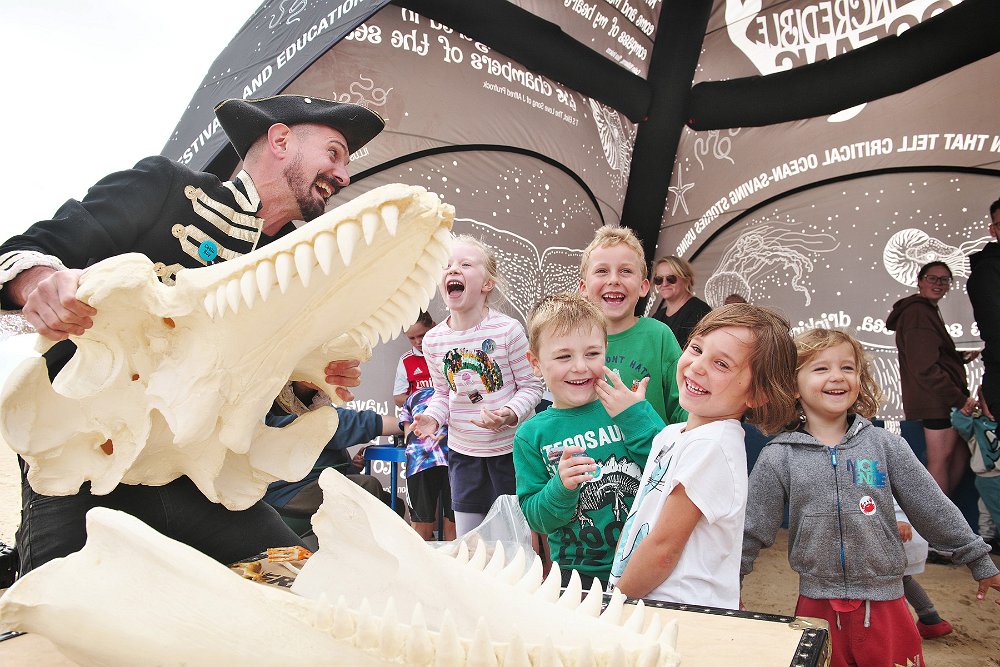
For the last 10 years, Incredible Oceans has been a leading force in ocean literacy, blending science, art, and storytelling to inspire positive action for a healthier ocean. Through dynamic events, educational programmes, and public engagement, they make complex ocean issues accessible and compelling. Their work spans festivals, school initiatives, and training programs, equipping educators, scientists, and advocates with the tools to communicate effectively. With a focus on inclusivity, they specialise in reaching diverse audiences—including those traditionally disengaged from environmental discourse—ensuring ocean literacy is truly for everyone. From empowering conversations around climate change and plastic pollution to celebrating local marine biodiversity, Incredible Oceans transforms knowledge into positive behaviour change. Their innovative approach fosters a deeper connection between people and the ocean, empowering communities to protect our blue planet. By combining creativity with scientific rigour, they make ocean conservation not just informative, but also fun.
Contact:
Contact:
SOS Group
Dominican Republic
More info
SOS Group (SOS Biotech & SOS Carbon) works at the intersection of science, community empowerment, and innovation to tackle ocean challenges in the Caribbean—particularly invasive seaweed blooms. Through engaging storytelling, hands-on workshops, and partnerships with institutions like the Museo del Mar, SOS brings ocean literacy into communities, classrooms, and national policy dialogues. Its Blue Students program mentors young people—especially women—in Blue Economy fields such as Blue Biotechnology, creating new pathways in ocean innovation. SOS collaborates with coastal communities and fishers, blending traditional knowledge with sustainable harvesting methods to turn sargassum seaweed into valuable bioproducts. The organization co-developed the Dominican Republic’s first seaweed harvesting license and holds special accreditation for the 2025 UN Ocean Conference. With a strong focus on regenerative business, inclusive education, and marine cultural heritage, SOS Group exemplifies how local innovation and global partnerships can drive ocean stewardship and economic resilience in the Global South.
Contact:
Contact:
The Ocean Race
Spain
More info
The Ocean Race Learning Programme leverages the excitement of the global sailing competition, The Ocean Race, to promote ocean literacy and inspire action towards marine conservation. Reaching over 180,000 students across 60 countries, the initiative offers age-tailored, multilingual educational resources aligned with UNESCO’s Ocean Literacy Principles and UN Sustainable Development Goals (SDG 14 – Life Below Water). Champions for the Sea targets younger learners (ages 6-12), introducing foundational concepts like biodiversity and plastic pollution, while Generation Ocean (ages 12+) explores governance, sustainability, and climate challenges, fostering critical thinking and community engagement. The programme integrates real-world data collected by race sailors and highlights diverse cultural and indigenous perspectives, enhancing global awareness. By supporting STEM education and inclusive storytelling, it encourages underrepresented groups into marine science careers and empowers communities to advocate for ocean protection, sustainability, and responsible ocean governance worldwide.
Contact:
Contact:
Fundacion Oceanosfera
Chile
More info
Fundación Oceanósfera promotes marine conservation through its Por un Océano Vivo ("For a Living Ocean") program, which integrates ocean literacy with community engagement and educational innovation. Based in Valdivia, Chile, the organization has produced 22 field guides, books, and visual materials—distributing over 53,000 printed copies and surpassing 117,000 digital downloads. Since 2019, it has led more than 180 educational activities, directly reaching over 13,000 participants across Chile. Oceanósfera’s resources emphasize Chile’s rich marine biodiversity and incorporate traditional knowledge and marine cultural heritage. As a member of the UNESCO-recognized GT-COCEAN Working Group, Oceanósfera actively contributes to national and international dialogues on ocean literacy, including through partnerships with the Chilean Ministry of Education and global conferences. Committed to inclusivity, the foundation designs materials accessible to people with disabilities and promotes environmental stewardship through education. Its community-rooted approach fosters a broad, sustainable understanding of the ocean’s value to both people and planet.
Contact:
Contact:
Save Fish Victoria
Kenya
More info
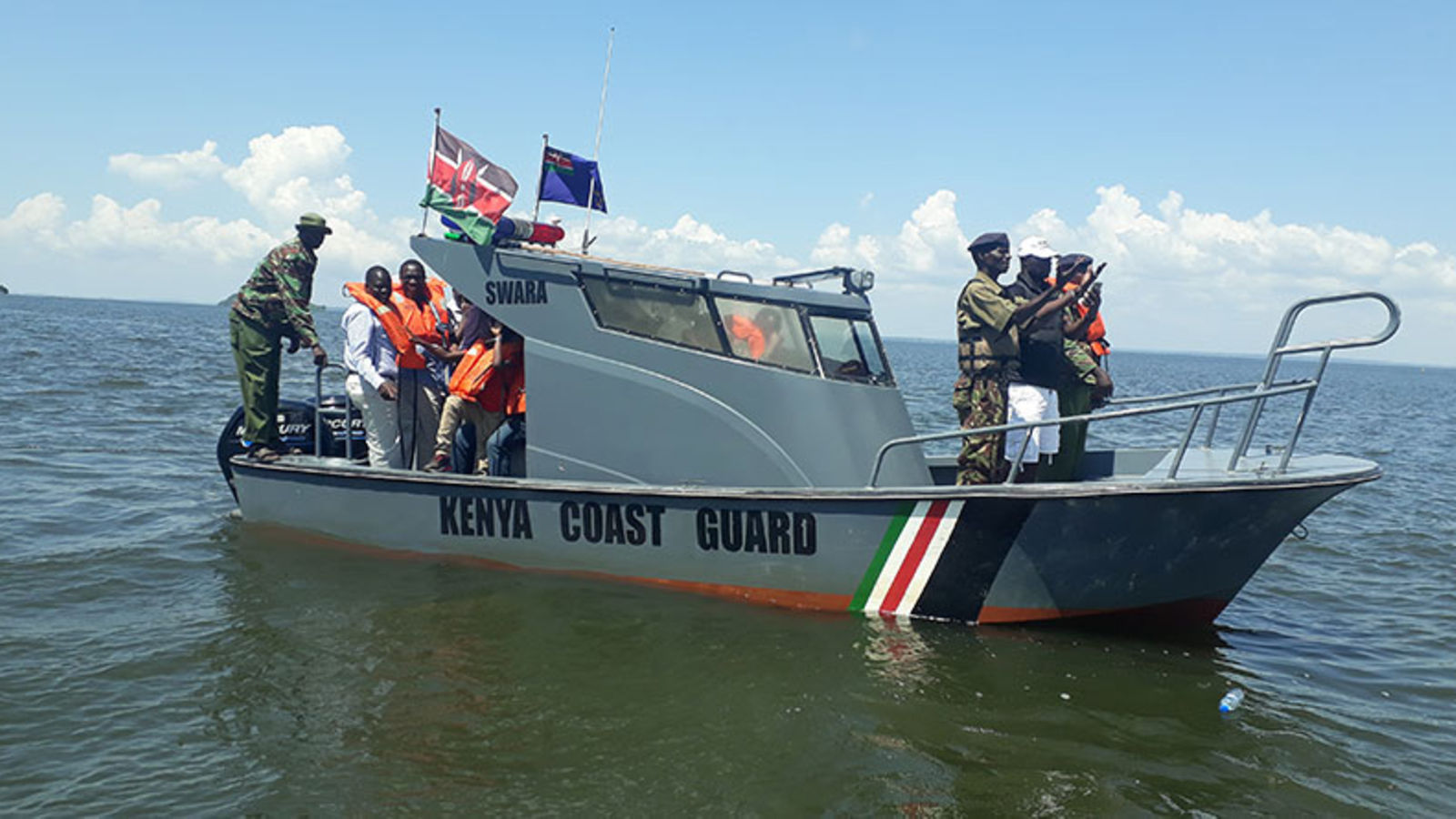
Save Fish Victoria is a community-focused initiative in Kenya aimed at protecting fish habitats and promoting sustainable livelihoods in Lake Victoria and along the Kenyan coast. The project begins with a feasibility study to identify key issues affecting aquatic ecosystems—primarily pollution and destructive fishing practices—and proposes targeted interventions to restore fish populations and break the life cycle of pollutants. Through inclusive public outreach such as role plays, printed materials, and awareness campaigns, the initiative promotes sustainable waste management and environmental stewardship. Gender equity is central to the program, with a strong focus on empowering women through skill-building and active participation in conservation efforts. Although a one-time initiative currently in progress, Save Fish Victoria emphasizes equal access to resources, environmental education, and community leadership. It also supports marine cultural heritage by protecting traditional fishing zones and practices, ultimately contributing to the resilience of local ecosystems and coastal communities.
Contact:
Contact:
Blue Africa Initiative
Cameroon
More info
The Blue Africa Initiative, led by KaméDomguia Consulting Group Inc. in partnership with the African Union Commission and UNESCO-IOC, is a continent-wide movement advancing ocean literacy as a driver of sustainable development. Tailored to Africa’s unique socio-ecological context, the initiative promotes a holistic understanding of the ocean’s cultural, economic, and environmental significance. Key pillars include the creation of ocean literacy curricula, community hubs, youth leadership networks, digital platforms, and research grants. The initiative leverages traditional knowledge, art, and storytelling alongside scientific education, empowering communities to act as stewards of marine resources. Through public campaigns, citizen science, and policy advocacy, it aims to embed ocean literacy into governance frameworks and education systems. Strongly aligned with the UN Ocean Decade and African development strategies, the Blue Africa Initiative champions inclusion, equity, and innovation, with a special focus on youth and women. It positions ocean literacy as essential to Africa’s future resilience and prosperity.
Contact:
Contact:
MARES Project
Brazil
More info
The MARES Project, led by the Carbon Team at the Federal University of Rio Grande-RS and funded by Brazil’s National Council for Scientific and Technological Development, promotes ocean literacy through creative outreach and education. Focused on public elementary schools, the initiative delivers interactive marine science lessons and develops engaging teaching materials to help children understand the ocean's vital role in life on Earth. MARES also publishes Carbon Team News, a popular science magazine that bridges academic research and society by translating complex marine topics into accessible language. By sharing knowledge through school visits, printed resources, and social media, the project reaches diverse and underserved communities—including rural students who live near the coast but have never seen the sea. MARES fosters inclusive engagement in ocean conservation and policy while collecting and amplifying the perspectives of local coastal communities. It continues to evolve, with plans to strengthen its emphasis on marine cultural heritage.
Contact:
Contact:
PVO Expeditions: Sail for Impact
Denmark
More info
PVO Expeditions combines sailing adventures with impact-driven missions to elevate ocean literacy and inspire sustainable lifestyles. Its flagship initiative, Sail for Impact, transforms a sailing vessel into a floating hub for research, education, and collaboration, connecting scientists, local communities, industry leaders, and changemakers at sea. Through immersive onboard experiences, storytelling, and content creation, the initiative fosters emotional connections with the ocean and highlights its crucial role in climate regulation, biodiversity, and human life. PVO Expeditions emphasizes inclusivity by inviting underrepresented youth, Indigenous knowledge holders, and diverse voices into its missions and media. The organization promotes regenerative sailing practices, supports citizen science, and encourages innovation through interdisciplinary collaboration. By showcasing maritime heritage and traditional navigation alongside modern sustainability efforts, PVO creates powerful narratives that bridge cultures and generations. Its educational content and experiential learning tools are designed to catalyze ocean stewardship at all levels—from classrooms to coastal communities.
Contact:
Contact:
World Ocean Day for Schools
UK
More info
World Ocean Day for Schools is a global education initiative that empowers students and educators to build ocean literacy through creative, curriculum-aligned resources. With a network of over 10,000 schools in 105 countries, it promotes a local-to-global approach, encouraging students to engage with their nearest “blue space”—whether ocean, river, or lake. Each year, WOD for Schools partners with scientists and ocean organizations to develop free, accessible learning materials aligned with SDG 14 and the UN Ocean Decade challenges. Through its Our Blue platform, interactive lesson plans, and citizen science projects like the Global Marine Citizenship Experiment, the initiative helps young people connect emotionally, culturally, and scientifically with the ocean. Diversity, inclusion, and cultural heritage are central to its storytelling approach. By fostering action-based learning and ocean-positive behaviors, WOD for Schools equips the next generation with the knowledge and tools to advocate for a healthier, more sustainable future for our ocean.
Contact:
Contact:
Enalia Physis
Cyprus
More info
Enalia Physis Environmental Research Centre, through its initiative led by Rebecca Katsaris, uses creative arts to foster ocean literacy among children aged 3–12 and educators across Cyprus. By combining storytelling, music, visual arts, drama, and puppetry with marine science, the program brings attention to Mediterranean marine issues such as bycatch, marine litter, Posidonia oceanica degradation, and threats to the endangered monk seal. Delivered in schools, cultural centres, and environmental institutions, the workshops foster emotional connections and deepen understanding of marine conservation through experiential learning. The initiative also supports teacher training and develops open-access educational materials—including children’s books and puppet shows—to extend its reach. Special emphasis is placed on diversity, inclusion, and representation of underrepresented communities. By blending science with culture and creativity, the program nurtures a strong marine identity and empowers young participants to become advocates for sustainable ocean stewardship and protectors of Cyprus’s marine cultural heritage.
Contact:
Contact:
Uluwatu school
Indonesia
More info
Uluwatu School, located on Bali’s Bukit Peninsula, is a progressive, community-rooted institution serving both Indonesian and international students. Deeply connected to its coastal setting, the school integrates ocean exploration, activism, and environmental stewardship into its curriculum. Learners are encouraged to develop curiosity, empathy, and a sense of responsibility for the ocean, participating in awareness campaigns, activism, and presentations. The school is developing a bespoke, ocean-centered curriculum aligned with UN Ocean Literacy principles and aims to collaborate with external partners to amplify its impact. Inclusion, equity, and contribution are foundational values: Uluwatu School engages diverse stakeholders through scholarships, community partnerships, and participatory events. Storytelling and empathy-driven learning are key tools for exploring marine cultural heritage and the experiences of coastal communities. Aspiring to become a beacon of ocean literacy in Indonesia, the school offers its facilities and programs as platforms for training, dialogue, and hands-on conservation learning.
Contact:
Contact:
ProBleu
UK
More info
The ProBleu Catalogue of Ocean and Water Literacy Teaching Aids is an innovative, collaborative platform designed to support educators in promoting ocean and freshwater literacy. Hosted at probleu.pml.space, the catalogue offers free, curriculum-aligned teaching materials—slides, worksheets, videos, simulations, and more—that address all 7 Ocean Literacy Principles and the UN Ocean Decade challenges. Co-designed with educators, the platform allows users to upload and combine materials into customized Resource Bundles, fostering global knowledge-sharing and engagement. Emphasizing inclusivity, accessibility, and multilingualism, the catalogue promotes Open Schooling, citizen science, and participatory education. With over 33,000 views and hundreds of downloads in its first months, ProBleu is already an essential tool for embedding ocean literacy in classrooms worldwide. The project also collaborates with institutions like UNESCO to highlight marine cultural heritage and features dynamic tools like ‘Virtual Journeys’ and simulations to inspire the next generation of ocean-literate citizens and innovators.
Contact:
Contact:
Mangrove Photography Awards
Worldwide
More info
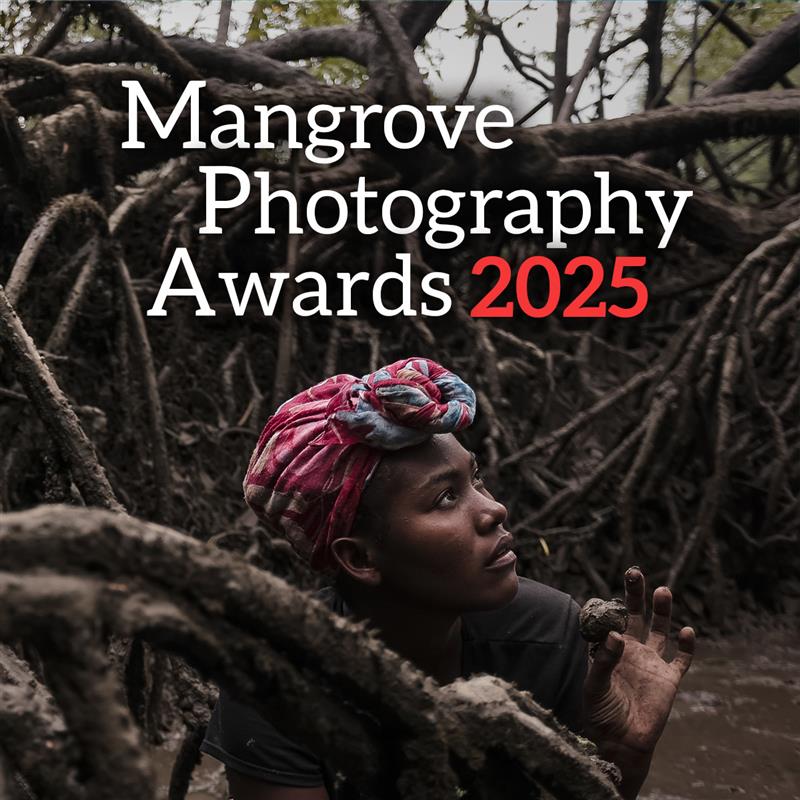
The Mangrove Photography Awards, an initiative of Mangrove Action Project, is an international competition that celebrates the beauty, biodiversity, and ecological importance of mangrove ecosystems. Through stunning imagery from photographers worldwide, the Awards highlight mangroves’ critical role in coastal protection, climate resilience, and marine biodiversity. Using photography as a tool for education and advocacy, the competition enhances ocean literacy, showing the deep connections between mangroves and the wider ocean environment. Previous submissions have captured conservation efforts, human interactions, and the unique wildlife that depends on these habitats—helping to inspire engagement and action to protect mangroves and the oceans that surround them.
Contact:
Contact:
The Ocean Song Project
Canada
More info
The Ocean Song Project is an international nonprofit music and storytelling initiative that promotes ocean literacy through creative expression, community building, and emotional connection. Artists and ocean knowledge sharers collaborate to create original ocean-inspired music—ranging from instrumentals to metaphorical and message-driven songs that explore human relationships with the ocean, along with its vital role in supporting all life on Earth. While the project centers on music, it also welcomes other mediums, in any language or style. Learning is supported through educational posts, virtual and in-person sessions, and an open-to-all creative community space hosted on Discord. Mutual-aid-based creative support is offered to help reduce access barriers. All proceeds from the music releases on Bandcamp are pledged to ocean restoration initiatives, with the inaugural collection supporting mangrove planting in Marereni, Kenya, through partnerships with SeaTrees and COBEC.
Contact:
Contact:
Casa San Miguel Foundation
Philippines
More info
Casa San Miguel Foundation is a dynamic cultural and environmental institution based in Zambales, Philippines, that fosters community development through the intersection of art, ecology, and heritage. Its Environmental Cluster brings together artists, ecologists, and local visionaries to explore and celebrate the region’s landscapes and seascapes through sustainable and immersive creative practices. From bamboo sculptures and eco-friendly art workshops to pop-up galleries by the sea, the Foundation’s projects highlight the interconnectedness of people, place, and nature. Integrating themes from its Residency, Music, and Livelihood Clusters, Casa San Miguel emphasizes the role of creativity in conservation and community identity. Targeting coastal communities—including fishers, women, children, and Indigenous groups—the Foundation produces exhibitions, films, books, and community art, while also engaging local government to support policy implementation. With ocean literacy still nascent in the region, Casa San Miguel is creating platforms for dialogue, participation, and renewed pride in the area’s maritime heritage.
Contact:
Contact:
Oman Sail
Oman
More info
Oman Sail’s initiative, led by Debbie Richardson, champions ocean literacy through its SeaOman brand and upcoming “Precious Plastic Muscat” educational hub, launching during Oman Climate Week in February 2025. With a workforce 96% Omani, Oman Sail empowers its sailors and divers as marine ambassadors, integrating environmental stewardship into daily water-based activities. The new hub will provide hands-on recycling experiences for school groups and the public, linking personal behavior to marine health while showcasing the impact of plastic pollution on iconic species like sea turtles and whale sharks. In partnership with SME Recycling Services LLC and aligned with the UN Ocean Decade, the hub blends emotional engagement—through the "Letters to the Sea" campaign—with practical education. The initiative promotes inclusivity via accessible facilities and programs for people with disabilities and underrepresented communities. It also highlights Oman’s maritime heritage, reinforcing cultural connections while fostering innovation and sustainable practices in ocean conservation and community engagement.
Contact:
Contact:
Meridian Agency
Spain
More info
Meridian Agency is a women-led, impact-driven communications agency that empowers ocean advocates—researchers, activists, entrepreneurs—to scale their influence through innovative, culturally relevant storytelling. Founded onboard a sailboat, Meridian has created dozens of bespoke ocean literacy initiatives over five years, from school programs in Mallorca to Indigenous youth advocacy at the World Economic Forum. With a belief in the power of context, creativity, and scalability, Meridian blends digital media, documentary, and grassroots engagement to make ocean science accessible and actionable. The agency supports policy engagement and civic participation by connecting communities with decision-makers, and its in-house communication framework has been taught at top universities and international events. Deeply committed to diversity, equity, and inclusion, Meridian works globally—often pro bono—with underrepresented communities, promoting multilingual and accessible ocean content. Through campaigns, toolkits, and storytelling, Meridian celebrates marine heritage, supports innovation, and advances ocean stewardship, helping build a more inclusive and sustainable future for the blue planet.
Contact:
Contact:
Blue Dream Project
USA
More info
The Blue Dream Project is an ocean literacy and environmental education initiative founded by filmmaker and drone pilot Francesca, whose work has focused on social and environmental issues for over seven years. Through compelling storytelling, immersive film, and globally exhibited photography—including at events like COP Dubai and Cannes—the project raises awareness about the ocean's essential role in sustaining life. Blue Dream promotes ocean literacy through educational outreach, interactive exhibitions, film workshops, and conservation events like beach clean-ups, engaging audiences from coastal communities to policymakers. By highlighting the interconnectedness of marine ecosystems and human activity, the initiative inspires sustainable practices and environmental stewardship. Blue Dream also partners with institutions, NGOs, and research centers to amplify its impact, offering accessible, creative tools to foster a deeper public appreciation for the ocean. The project’s ongoing work empowers diverse communities—especially students and educators—to engage meaningfully with ocean issues and contribute to a more sustainable future.
Contact:
Contact:
Ocean Vision Legal
USA
More info
Ocean Rights recognizes the Ocean as a living entity with inherent rights and intrinsic value. Rooted in ethics—principles determining right and wrong—this concept challenges outdated anthropocentric views that see the Ocean solely as property or a resource for human use. Inspired by Indigenous and Oceanic communities, Ocean Rights redefines the Ocean as an autonomous, dynamic, self-regulating being, shifting the narrative from exploitation to interconnectedness and care. Just as human rights evolved from viewing individuals as property to recognizing their autonomy, Ocean Rights proposes an ecological ethic emphasizing humanity’s interdependence with the Ocean. The United Nations highlights that maintaining human well-being depends on changing how we perceive and manage the Ocean. Implementing Ocean Rights involves integrating legal, policy, governance, economic, educational, scientific, and community-based approaches. Ultimately, Ocean Rights aims to transform the human-Ocean relationship from separation and exploitation to one of mutual respect, responsibility, and stewardship.
Contact:
Contact:
Bluer Africa
Nigeria
More info
Bluer Africa is a grassroots initiative in Nigeria dedicated to strengthening coastal resilience and promoting ocean literacy through community-driven education and advocacy. Focused on the country’s eight coastal states—home to over 58 million people—the project addresses climate change impacts such as erosion, flooding, and pollution by combining indigenous knowledge with tailored educational tools. Bluer Africa delivers locally adapted workshops and produces documentaries in regional dialects that highlight the links between marine health, food security, and community well-being. The initiative fosters participatory governance by facilitating post-screening discussions and collaborating with authorities like NIMASA and NIOMR to ensure local voices, particularly those of women and youth, shape ocean policy. It also promotes sustainability through community-led mangrove restoration, eco-friendly fishing, and curriculum development in schools. By documenting traditional marine practices and customs, Bluer Africa safeguards cultural heritage while empowering communities with the tools to protect their environments and advocate for inclusive, sustainable ocean stewardship.
Contact:
Contact:
EcoMarine Malta
Malta
More info
EcoMarine Malta is a sustainability-driven organisation that integrates marine tourism, education, and scientific research to advance ocean literacy and conservation in Malta. Founded by a marine biologist, it creates meaningful opportunities for the public to connect with the sea while contributing to its protection. Through guided marine life tours and citizen-science experiences, participants learn about bottlenose dolphins, turtles, seabirds, and marine ecosystems using professional research tools such as photo-identification and acoustic monitoring. Beyond tours, EcoMarine organises educational workshops in schools, public outreach events, and corporate training sessions that promote responsible practices and raise awareness of Mediterranean biodiversity. Inclusivity is at the heart of its mission, with projects such as MUFFIN, which develops marine sign language resources for the Deaf community. By collaborating with national authorities, international partners, and Erasmus+ networks, EcoMarine links science, education, and policy—offering a model of sustainable, inclusive marine stewardship for Malta and beyond.
Contact:
Contact:
Jentrix Chochy
Kenya
More info
Jentrix Chochy’s initiative, based in Nairobi, Kenya, integrates gendered Traditional Knowledge Systems (TKS) from the Kenyan coast to advance ocean literacy, conservation, and inclusive governance. By documenting and analyzing practices such as traditional navigation, sustainable fishing, and marine stewardship, the project demonstrates how TKS contribute to the ecological and cultural resilience of communities like those in the Lamu Archipelago. Emphasizing the roles of both men and women in these systems, the initiative promotes gender equity while preserving marine cultural heritage. Through participatory research methods and community engagement, the project fosters local ownership and collaboration in policymaking, contributing to inclusive and sustainable marine governance. Educational outputs include culturally relevant materials and case studies that blend scientific and traditional knowledge. By advocating for the recognition of TKS in formal marine management, this work enhances equity, sustainability, and heritage preservation, offering a model for culturally grounded ocean literacy and conservation.
Contact:
Contact:
WiseWater Academy
Ireland
More info
WiseWater workshops use innovative water activities as a powerful medium to promote ocean literacy, environmental awareness, and personal well-being. Designed for students and community groups, WiseWater workshops offer fun, hands-on activities that inspire a deeper understanding of the vital role water plays in our lives and how water is the foundation of sustainability. Participants gain a deeper understanding of why it's crucial to protect the ocean, rivers, and all aquatic environments, while also discovering the mental and physical benefits of connecting with blue spaces. WiseWater Workshops provide practical tools for self-care and meaningful connections with water and the world around us. Through these engaging workshops, participants are encouraged to see water in a new perspective. WiseWater’s two mottos: “Every drop counts” and “Together we can make waves” empower individuals to become active citizens, ready to play their part in protecting and preserving our precious water environments.
Contact:
Contact:
Academia del Océano
Ecuador
More info
Academia del Océano addresses ocean illiteracy in Latin America through accessible, innovative and inclusive education on marine conservation and sustainability, offering workshops, webinars and courses in Spanish. Using advanced digital tools and generative artificial intelligence, it develops engaging educational materials that make complex topics understandable and applicable. With over 2,500 people educated and partnerships with global organisations such as IOC-UNESCO and the Sustainable Ocean Alliance, our programmes educate communities about the ocean's crucial role in regulating climate and sustaining biodiversity. Hands-on initiatives, such as those in San Jacinto, Ecuador, promote sustainable practices for the protection of coastal resources and marine wildlife, helping to create a collective commitment to ocean protection and global sustainability.
Contact:
Contact:
Cultura Oceanica en 360
Chile
More info
Cultura Oceánica en 360°, based in Valparaíso, Chile, is an immersive science communication initiative that promotes ocean literacy through cutting-edge technologies such as 360° video projections and virtual reality. By blending scientific knowledge with cultural heritage, the project emphasizes the ocean’s vital role in climate regulation, biodiversity, and sustaining life. Rooted in the Venice Declaration, it fosters inclusive, community-based stewardship. Workshops, school outreach, and forums engage students, educators, and local stakeholders in participatory learning, while co-developing nature-based solutions to ocean challenges like plastic pollution and climate change. The initiative produces multilingual and accessible educational content, including VR experiences adapted for individuals with disabilities. It also safeguards marine cultural heritage through storytelling and partnerships with artists, Indigenous groups, and historians. By integrating immersive storytelling with community engagement and equity, Cultura Oceánica en 360° builds emotional and intellectual connections to the ocean, empowering diverse audiences to take action in ocean conservation and governance.
Contact:
Contact:
Young Environmentalists Programme
India
More info
The Young Environmentalists Programme, based in Mumbai, promotes ocean literacy and climate awareness through a powerful blend of education, advocacy, and policy engagement. The organization collaborates with schools and communities, offering interactive, hands-on learning experiences that connect young people with the ocean and its vital ecosystems. From curriculum design to the launch of their Ocean Literacy Book for Students, the initiative equips learners and educators with knowledge and tools to foster marine stewardship. It also advocates for integrating ocean literacy into national education policies, amplifying its impact across India. Through citizen science, creative problem-solving, and inclusion of traditional knowledge, the program promotes sustainability, innovation, and equitable access to marine education. Special emphasis is placed on diversity, multilingual outreach, and the empowerment of marginalized communities, youth, and women. By safeguarding marine cultural heritage and fostering intergenerational pride, the initiative helps shape a future of informed, inclusive, and action-oriented ocean governance.
Contact:
Contact:
Resilient Oceans Initiative
Portugal
More info
The Resilient Oceans Initiative, led by Mélinda Martins and based in Portugal, promotes ocean literacy by blending scientific research on ocean-climate interactions with inclusive, community-based outreach. Through partnerships with schools and local organizations, the initiative makes ocean science—especially marine geology—accessible to a wider audience, highlighting the ocean’s role in regulating climate, shaping ecosystems, and sustaining life. The project actively involves coastal and vulnerable communities, including non-state islands, in its educational efforts, ensuring that diverse voices are represented in discussions around sustainable ocean governance. Bilingual resources and subtitled media ensure inclusivity and reach. By encouraging citizen engagement, Resilient Oceans empowers individuals to contribute to local decision-making and ocean stewardship. The initiative also preserves marine cultural heritage by connecting traditional knowledge with environmental education. Through innovative communication and a strong equity focus, Resilient Oceans builds climate awareness, advances sustainability, and inspires long-term care for the ocean across generations and communities.
Contact:
Contact:
Cultura Oceanica UNAM
Mexico
More info
Cultura Oceánica, led by the Universidad Nacional Autónoma de México (UNAM) and the Instituto de Ciencias del Mar y Limnología, is a transformative educational initiative addressing the lack of ocean literacy resources in Mexico, particularly in Spanish. Through the development of curriculum-aligned teaching materials derived from national oceanographic research, the project supports high school and university educators via the UNAM Ocean Culture portal. Linked to the UNESCO-endorsed '137.2 Ocean Literacy for the TAC Region' and supported by the Ocean Teacher Global Academy, the initiative fosters awareness of the ocean’s impact on society—and vice versa. It utilizes digital tools like the University Learning Network (RUA) and Mares multimedia products to enhance learning. Promoting diversity, inclusion, and ethical academic practices, Cultura Oceánica empowers educators, students, and researchers to collaboratively create accessible, localized ocean education. This initiative bridges the gap between science and society, advancing sustainable ocean stewardship in Latin America.
Contact:
Contact:
Mohammed VI Foundation
Morocco
More info
The Mohammed VI Foundation for Environmental Protection, based in Rabat, Morocco, champions ocean literacy through its Education for Sustainable Development (ESD) programs, in partnership with the Ministry of National Education. By integrating marine conservation themes into initiatives like Eco-Schools, Young Reporters for the Environment (YRE), and Global Schools, the Foundation advances awareness of SDG 14 (Life Below Water). Educators, students, and coordinators are trained via national and regional workshops to understand the role of oceans in regulating climate, supporting biodiversity, and sustaining life. These workshops introduce cutting-edge tools—including AI and digital platforms—to foster innovation and participatory governance. The initiative promotes inclusive engagement across diverse educational settings and empowers young people to contribute to sustainable ocean management. By embedding ocean literacy within school curricula and fostering environmental stewardship, the Foundation equips future generations with the knowledge, tools, and mindset to preserve marine ecosystems for the long term.
Contact:
Contact:
Transformar Association
Brazil
More info
The TransforMAR Project, led by the Transformar Association in Brazil and endorsed by UNESCO’s Decade of Ocean Science, empowers coastal youth from vulnerable and traditional communities through immersive ocean literacy education. The initiative combines interactive classroom workshops with experiential learning in marine environments—such as beaches, mangroves, and scuba diving excursions—to create a deep emotional and intellectual connection to the ocean. By addressing marine biodiversity, conservation, pollution, and climate change, TransforMAR equips participants with the knowledge and tools to become local advocates for ocean health. The program promotes equity by prioritizing access for Indigenous, Quilombola, and underserved communities, ensuring that ocean education is inclusive and impactful. Through role-playing activities that simulate governance processes, youth develop practical skills for public participation in marine policy. By linking marine science, cultural heritage, and community empowerment, TransforMAR fosters responsible stewardship and builds a new generation of ocean guardians.
Contact:
Contact:
Blue Design Alliance
Portugal
More info
The Blue Design Alliance (BDA) is a network of higher education institutions in Portugal dedicated to advancing ocean literacy through design-led education, research, and innovation. Rooted in the northern coastal and inland regions, the BDA trains students and adults in blue economy practices, linking design with sustainability, circularity, and inclusivity. Through the STEAM Youth Impulse and Adult Impulse programmes, it offers workshops, technical courses, and postgraduate opportunities that promote ocean knowledge and literacy, particularly in underserved communities. By applying Design Thinking, BDA empowers learners to develop real-world solutions to marine challenges like pollution, biodiversity loss, and coastal resilience. Its projects reflect the cultural and ecological importance of the ocean, supporting local engagement and the preservation of marine heritage. In line with the Venice Declaration, BDA fosters participatory, inclusive approaches that prepare the next generation of designers to become advocates for ocean sustainability and active contributors to resilient coastal communities.
Contact:
Contact:
Futuro Azul
Chile
More info
Futuro Azul, an initiative by ONG Pesca Sustentable in Chile, is an innovative digital platform that empowers consumers to make sustainable seafood choices. Offering detailed species profiles—covering environmental impact, nutrition, sourcing methods, and cooking tips—the platform educates users on the sustainability of over 170 marine species, while promoting lesser-known alternatives to reduce pressure on overexploited stocks. Futuro Azul also connects with businesses through its 'Programa de Embajadores', guiding restaurants and markets toward sustainable sourcing. In collaboration with Chile’s Ministry of the Environment and UNDP, it supports artisanal fishing communities—such as those in Huellelhue—by recognizing and promoting sustainably harvested native species like the Choro mussel. The initiative aligns with the Venice Declaration by merging science, culture, and blue economy principles to reconnect people with the ocean. Futuro Azul is a free, accessible tool that champions ocean literacy, cultural heritage, and systemic change—promoting marine stewardship and supporting Chile’s transition to a more sustainable blue economy.
Contact:
Contact:
Citizens of Surf
Portugal
More info
Citizens of Surf is a Portugal-based initiative linking surf culture with ocean literacy. Evolving from a Master's study, the project explores how surfers—through lived experience and observation—naturally embody core principles of ocean literacy, especially Principles 3, 5, and 6. Working with surf schools like Soul and Surf and Surf With Amigas, the team developed a curriculum embedding these principles into surf instruction. Through co-designed projects, such as local surf ecosystem monitoring and kelp forest restoration campaigns (e.g., ReGeneration Surf), Citizens of Surf demonstrates how surfers can bridge science and community. Rooted in systems thinking, the initiative aims to empower surfers with knowledge and tools to communicate ocean threats and influence change. The project also seeks to decolonize modern surf culture, acknowledging its Indigenous origins across Polynesia, West Africa, and South America. With academic and community partnerships, Citizens of Surf aims to scale its model globally while deepening surfing’s role as ocean stewardship in action.
Contact:
Contact:
BRIDGES
Cameroon
More info
BRIDGES (Building Resilient Individuals, Developing Generational Environmental Sustainability) is a grassroots initiative based in Limbe, Cameroon, focused on bridging the environmental education gap among youth, particularly in underserved and coastal communities. Born from founder Sandra Forbah’s personal experience of growing up without environmental or ocean literacy, BRIDGES promotes awareness through six pillars: Social Outreach, Ocean Climate Advocacy, Youth Mentorship, Nature Artivism, Green Entrepreneurship, and Growth & Partnerships. The program leverages storytelling, art, social media, and capacity-building workshops to foster ocean stewardship and inspire careers in marine science. It also explores sustainable livelihoods, such as eco-charcoal and coconut oil production. Aiming to reform systemic education gaps from the ground up, BRIDGES emphasizes inclusion, creative expression, and practical engagement. By cultivating local talent and environmental responsibility, it empowers young people to become changemakers and pushes for the integration of ocean literacy into Cameroon’s educational system.
Contact:
Contact:
Aquatic Life Institute
USA
More info
Aquatic Life Institute (ALI) works to advance animal welfare in capture fisheries by integrating science-based welfare standards into fisheries management. Through education, policy advocacy, and stakeholder collaboration, ALI promotes humane handling and capture techniques that link animal welfare with ocean sustainability. By raising awareness of the sentience of aquatic animals, ALI fosters a deeper public understanding of marine life and encourages ocean stewardship. Its efforts contribute to ocean literacy by highlighting the role of aquatic animals in biodiversity, climate regulation, and food systems. ALI engages policymakers, industry leaders, coastal communities, and small-scale fishers to co-develop welfare-centered practices, ensuring inclusive participation in sustainable ocean governance. With multilingual, accessible resources and research-based policy briefs, the initiative empowers diverse audiences to recognize the ethical and ecological importance of ocean conservation. ALI also supports marine cultural heritage by promoting traditional fishing methods that align with both environmental sustainability and humane practices.
Contact:
Contact:
World Ocean Observatory
USA
More info
The World Ocean Observatory (W2O) is a leading global platform dedicated to ocean advocacy through science, policy, education, and communication. Leveraging multi-media platforms, including syndicated audio, video aggregation, forums, publications, and social media, W2O reaches millions of 'citizens of the ocean' worldwide. Central to its mission is World Ocean Explorer—a free, virtual aquarium and ocean literacy curriculum available globally online, ensuring barrier-free access to education. The initiative emphasizes intergenerational, interdisciplinary, intercultural, and international engagement, with plans to expand into five languages by 2025. Through direct classroom collaboration, content creation, and global dissemination, W2O transforms knowledge into action and promotes equity and inclusion. Recognized by the UN Ocean Decade and linked with global ocean literacy networks, the program advances innovative, democratic, and culturally rich ocean education. Its resources support teachers, museums, aquaria, youth organizations, and lifelong learners, fostering a broad, informed, and engaged ocean-literate public.
Contact:
Contact:
Fisher Folk First
Turks and Caicos Islands
More info
FisherFolkFirst is a non-profit organization that works to empower small-scale fishers and fish workers to build environmentally, economically, and socially sustainable small-scale fisheries where their rights are respected, their voices are heard, coastal and marine environments are healthy, and fisherfolk have secure prosperous futures. FisherFolkFirst achieves this through outreach and education, implementation, and research. Ocean literacy is a key component of FisherFolkFirst’s work. Small-scale fishers and fish workers throughout the world have a greater direct interdependency on the ocean than any other group of people. Therefore, developing fisherfolk’s understanding of their impact on the ocean and the ocean’s impact on them is essential for their livelihood security and for the conservation of ocean biodiversity. FisherFolkFirst’s inclusive approach ensures that ocean literacy is accessible to marginalized groups, those who struggle to read, and fisherfolk with a diversity of cultures and languages.
Contact:
Contact:
Schools Across the Ocean
UK
More info
Schools Across the Ocean is a global education initiative that connects schools around the world, offering teachers robust training in ocean and climate literacy. Through a multilingual and multisensory approach, the program ensures inclusive access for students of all backgrounds and abilities. Using a toolkit aligned with the seven ocean literacy principles, teachers help students explore marine ecosystems, like seagrass beds, and engage in citizen science projects. Creative expression through film, poetry, and visual arts empowers children to voice their hopes and concerns about ocean health. These outputs are showcased at climate conferences and presented to policymakers, amplifying young voices in global discourse. The initiative supports schools in revising their curricula, purchasing policies, and community engagement strategies. Intergenerational learning is also emphasized, preserving local ocean heritage and knowledge. With a growing network and over 2000 children reached, the program is shaping a new generation of ocean advocates.
Contact:
Contact:
Envirovision 2050
India
More info
EnviroVision2050’s Green Leaders Programme is a youth-led initiative in India that blends education and advocacy to promote ocean literacy, especially among students in non-coastal and underserved areas. Founded and curated by Charu, the programme uses a transdisciplinary approach—linking ocean science with art, technology, social media, and policy—to empower young changemakers. Through hands-on workshops, storytelling, citizen science, and interactive campaigns, youth gain a deep understanding of the ocean’s role in climate, biodiversity, and human well-being. From clean-ups and brand audits to awareness drives and creative outreach, it fosters youth-led action. The programme celebrates inspiring “Ocean Heroes” and ensures inclusivity through culturally sensitive content in native languages like Hindi. In collaboration with schools, NGOs, and policymakers, EnviroVision2050 brings the ocean into classrooms and communities—nurturing future leaders and careers in conservation.
Contact:
Contact:
The Ocean Advocate
South Africa
More info
The Ocean Advocate is a dynamic, women-led initiative based in South Africa that champions ocean literacy through accessible, engaging, and impactful communication. Founded by journalist and marine communicator Renée Bonorchis, it curates global ocean news, produces weekly newsletters, and shares educational content across social media to deepen public understanding of ocean health and its links to climate, biodiversity, and human well-being. The Ocean Advocate promotes hands-on involvement through talks, citizen science, and partnerships—such as with the Two Oceans Aquarium Foundation to co-develop inclusive marine courses. With a strong focus on accessibility and inclusion, it offers free learning materials and promotes the efforts of fellow ocean-focused organisations. As an endorsed UN Ocean Decade partner and Earthshot Prize nominator, The Ocean Advocate also highlights endangered species and sustainable living, actively working to protect marine ecosystems and inspire collective action.
Contact:
Contact:
SeaVoice
UK
More info
SeaVoice is an innovative platform that delves deep into the intricate relationship between culture, climate, and water. Through thought-provoking articles, captivating stories, and insightful narratives, SeaVoice sheds light on the intersection between the ocean and culture, inspiring collective responsibility for our blue spaces. Curated by academics on the frontline of the ocean climate crisis, this non-profit digital platform amplifies the voices, research, activism, and art of the people who work, live, and survive by bodies of water. SeaVoice has published one print edition and six quarterly digital volumes since its founding in 2023: Osmosis, Community, Gen Sea, Blue Tech, Sense, and Waterwomxn. SeaVoice is an endorsed activity of the UN Ocean Decade through the Ocean Decade Heritage Network’s Cultural Heritage Framework Programme. With a focus on the key global challenges of the UN Ocean Decade, SeaVoice emphasises the importance of understanding the complex interplay between culture and the environment in tackling the pressing issues we face today.
Contact:
Contact:
Back to Blue
Japan
More info
Back to Blue is a global initiative launched in 2019 by Economist Impact and The Nippon Foundation to address ocean health through evidence-based solutions. Initially focused on pollution—including plastics, chemicals, wastewater, and acidification—Back to Blue added ocean literacy as a strategic pillar in 2024. The initiative reframes the discourse around marine pollution to include both plastics and chemical contaminants, while promoting the concept of "zero pollution" as a critical global goal. Through research reports, podcasts, documentaries, and high-profile events like The Economist’s World Ocean Summit, Back to Blue engages the public and policymakers to drive systemic change. In 2023, the initiative reached over 58 million people via social media and 400,000+ through its website, with a vast majority of users reporting increased knowledge and motivation to act. Back to Blue is also collaborating with UNESCO-IOC and UNEP on a global roadmap to eliminate ocean pollution by 2050.
Contact:
Contact:
The Blue Marble
USA
More info
The Blue Marble Series is a creative literary and educational initiative that enhances ocean literacy through a unique blend of storytelling and science. Written for readers aged 10 and up, each short novel in the series explores marine themes through an ecomythological lens, combining fictional narratives with real-world ocean issues. Accompanying each story is a detailed activity pack aligned with STEAM and educational standards, featuring lessons on biodiversity, overfishing, and marine pollution. Rooted in field experience and cultural research, the series aims to deepen readers’ connection with the ocean while fostering critical thinking, language development, and environmental advocacy. Each book highlights local marine challenges and includes actions readers can take, no matter where they live. With multilingual components and cultural insights, the series promotes diversity, equity, and a global appreciation for the ocean’s role in sustaining life on Earth. It is an engaging resource for classrooms, libraries, and families alike.
Contact:
Contact:
Generation Artivism
India
More info
Generation Artivism is an innovative initiative based in Mumbai that harnesses the power of art to inspire ocean literacy and climate advocacy among youth. Through creative storytelling, school outreach, and visual campaigns, the program transforms complex ocean issues—like biodiversity loss, pollution, and climate change—into relatable and visually engaging content. With over 5,000 people reached, Generation Artivism empowers young people to become changemakers, emphasizing how everyday actions impact the ocean. Its accessible and inclusive approach includes art contests, educational toolkits, and art exchanges that promote emotional and intellectual connections with marine ecosystems. The initiative promotes diversity by elevating voices from underrepresented communities and making ocean education engaging even in landlocked areas. While not focused directly on marine cultural heritage, it fosters sustainability through ocean optimism and creative expression. Generation Artivism is an art-driven model for inclusive, engaging, and action-oriented ocean literacy.
Contact:
Contact:
PlasticompACT!
Turkey
More info
plasticompACT! is an innovative, globally-scalable initiative based in Turkey that incentivizes plastic waste collection through micro-rewards, transforming trash into a valuable currency. By partnering with local businesses and communities, plasticompACT! enables individuals—especially in coastal and fishing communities—to earn micro-incomes and rewards through sustainable behaviors. The initiative's motto, 'Micro action, micro rewarded,' reflects its mission to drive systemic change through atomic habits. Beyond collection, it fosters behavioral transformation by raising awareness about plastic pollution, offering sustainable alternatives, and improving waste management systems. With a strong emphasis on inclusion, plasticompACT! engages a wide audience—from policymakers to schoolchildren—through accessible outreach and local economic engagement. By positioning plastic waste as a redeemable resource, it encourages responsible consumption, fosters civic pride, and promotes ocean literacy as a pathway to restoring planetary ecosystem health. plasticompACT! empowers 16 billion hands to clean the planet, one plastic item at a time.
Contact:
Contact:
CrewingAT
Philippines
More info
The crewingAT programme, led by the Office of the Youth in Maritime (YIMO) in the Philippines, advances ocean literacy by embedding sustainability and environmental stewardship into maritime training. Focused on the next generation of seafarers and maritime professionals, the initiative integrates science-based tools and technologies to reduce the industry’s environmental footprint—addressing issues such as pollution, emissions, and crew safety. It promotes ocean-conscious decision-making while enhancing understanding of the ocean's critical role in regulating climate, sustaining biodiversity, and supporting global livelihoods. Through global partnerships, self-paced digital modules, and in-person workshops, crewingAT builds capacity, encourages intergenerational learning, and strengthens inclusive access to maritime careers—especially for women and youth in underprivileged areas. By aligning with frameworks from UNITAR, IMO, and UNESCO-IOC, the programme also contributes to broader ocean governance goals. crewingAT repositions seafarers as ocean stewards, bridging the gap between maritime operations and sustainable ocean futures.
Contact:
Contact:
Ocean Lives
Liberia
More info
"Ocean Lives" is a dynamic initiative based in Liberia that combines interactive online engagement with hands-on action to foster ocean literacy and environmental stewardship. Led by Simon Morris, the project educates youth and coastal communities about marine ecosystems, pollution, biodiversity, and sustainable practices through digital content, community workshops, and weekly coastal cleanups. The initiative promotes inclusivity by tailoring materials to diverse audiences and ensuring accessibility across learning styles. By creating open forums that unite local residents, scientists, policymakers, and businesses, "Ocean Lives" fosters participatory engagement and transparency in ocean-related decision-making. The project aligns with the Venice Declaration, emphasizing food security, plastic pollution, and conservation awareness through direct community action and educational outreach. Additionally, "Ocean Lives" advocates for sustainable technologies and policy reforms to tackle environmental degradation, offering a practical and community-driven model of ocean advocacy. Its holistic approach empowers a new generation of ocean stewards and promotes sustainable coastal futures.
Contact:
Contact:
Mertrina Marine Minded Network
Trinidad and Tobago
More info
Mertrina Marine Minded Network is a unique Caribbean-based initiative led by Katrina Khan-Roberts, blending science and art through the persona of "Mertrina"—a mermaid character who educates audiences on ocean conservation. With a foundation in natural science and a flair for creative communication, Mertrina engages diverse communities through storytelling, interactive campaigns, and educational programs, both online and in person. The initiative champions ocean literacy across sectors—from students and educators to policymakers and coastal communities—by crafting inclusive, accessible content that demystifies marine ecosystems and inspires behavioral change. Mertrina advocates for participatory governance, particularly in policy areas like fisheries legislation, ensuring underrepresented voices are heard. The initiative also honors indigenous knowledge systems and traditions, embedding them in its outreach. By uniting emotion and intellect, Mertrina cultivates deeper public connection to the ocean, encouraging a shift toward sustainable living and a collective sense of stewardship for marine environments.
Contact:
Contact:
CORI
Spain
More info
At the Cartagena Oceanographic Research Institute (CORI), we are dedicated to unveiling the mysteries of the deep sea. Based in the Region of Murcia, our mission is to explore and document the seafloor beyond 100 meters depth to assess human impact and provide critical data for future conservation efforts. Through education, research, and innovation, we aim to inspire a new generation of ocean explorers and bring the wonders of the deep ocean to the public. We believe ocean literacy is essential for protecting marine ecosystems. That’s why we connect science, engineering, and outreach to make deep-sea knowledge accessible to everyone. Our present is, for example, the CanGoDeep project where secondary student design, built and deploy a BRUV at 100 meters depth or one of our future project is to build an Ocean Exploration Museum to engaging schools and communities. We want to show that small institutions can make an impact on the ocean exploration and literacy.
Contact:
Contact:
Ocean Travelers
Uruguay
More info
Dr. Erika Meerhoff, a researcher at Uruguay’s Environmental Science Research Centre (Clemente Estable Biological Research Institute), leads the "Ocean Lives" outreach initiative to foster ocean literacy among students across public, private, and rural schools. Her school visits combine scientific knowledge with hands-on learning, introducing students—particularly those from coastal or underserved regions—to the ecological importance and human impacts on marine ecosystems. In collaboration with the Smithsonian’s Ocean Travelers and Beach Surveyor projects, Erika presents real-time research results, often using microscopes and visual materials to connect students with ocean science. She ensures inclusion by adapting content for students with diverse cognitive abilities and making ocean education accessible across socioeconomic backgrounds. Her upcoming efforts focus on integrating sensor-based technology into elementary science lessons. Through this dedicated outreach, Erika bridges academic research with community learning, inspiring a new generation to understand and protect the marine environment, especially in countries like Uruguay where such programming remains rare.
Contact:
Contact:
2811 Academy
Chile, Germany
More info
2811 is an international organization bridging Chile and Germany that champions a regenerative blue economy through education, innovation, and equity. With Chile’s vast and biodiverse coastline as a focal point, 2811 leads transformative programs such as the Blue Economy Bootcamp in Los Lagos and the Regenerative Blue Economy Academy in Antofagasta, empowering communities to engage in sustainable marine practices. Their initiatives support youth, educators, and women entrepreneurs—particularly in coastal regions—by promoting sustainable tourism, biodiversity conservation, and circular economy models. Through vocational training and Erasmus+ collaborations, 2811 enhances scientific and technical skills while fostering cross-national partnerships across Chile, Germany, Colombia, and Spain. The organization also mobilizes private capital through innovation courses, advancing scalable solutions for ocean sustainability. Central to its mission is the integration of traditional knowledge and marine cultural heritage into economic revitalization. 2811’s participatory and inclusive approach nurtures ocean literacy and positions coastal communities as stewards of marine ecosystems.
Contact:
Contact:
The Blue Life Hub
Italy
More info
Blue Life Hub promotes ocean literacy by integrating sustainable Blue Economy practices, innovation, and cultural heritage preservation. Aligned with the Venice Declaration, the initiative engages coastal communities across the Mediterranean and Africa, disseminating knowledge through an accessible digital platform with a robust network of regional focal points. It supports sustainable fisheries, aquaculture, regenerative coastal tourism, and circular economy principles, fostering inclusive economic opportunities, particularly for women, youth, and underserved communities. Educational activities include training, event participation, and knowledge-sharing, empowering stakeholders to adopt informed practices in ocean stewardship. Notable projects include mussel farming in Morocco, fisheries value-chain enhancement in Kenya, and circular economy initiatives in Italy. Emphasizing diversity and inclusion, Blue Life Hub ensures open access to educational content, creating a global, collaborative space that equips communities with the tools, data, and cultural insights necessary to protect marine ecosystems and drive sustainable coastal development.
Contact:
Contact:
Prawn conservation in Ubjei
Nigeria
More info
The "Prawn Conservation in Ubeji" initiative, led by Uwhuseba Success Ogheneruona, combines science, traditional knowledge, and community engagement to promote sustainable aquaculture and ocean literacy in Nigeria’s coastal Ubeji region. Amid pollution and habitat loss, this project employs bio-sampling, geospatial tools, and water quality monitoring to assess prawn habitats while educating local communities on sustainable practices. Workshops empower fishers, women, and youth to adopt ethical fishing techniques, conserve biodiversity, and reduce pollution. The initiative promotes intergenerational knowledge transfer and inclusivity, ensuring marginalized voices contribute to marine governance. Culturally grounded and scientifically informed, it highlights the ecological and economic importance of coastal ecosystems. It also fosters innovation through technologies like biofilter systems and supports nature-based solutions such as mangrove restoration. By integrating traditional marine practices with environmental stewardship, the project sustains marine cultural heritage and equips the community to lead conservation efforts that align with SDG 14 and global sustainability goals
Contact:
Contact:
Ocean Conservation Trust: Blue Mind Hub
UK
More info
The Blue Mind Hub, part of the Ocean Conservation Trust, connects community mental health directly with ocean literacy by harnessing the restorative benefits of the marine environment. Drawing on Wallace J. Nichols’ Blue Mind Theory, the project offers specialized experiences designed to boost wellbeing through engagement with marine ecosystems. Participants, referred via social prescribing services, explore ocean literacy hands-on through snorkelling, coastal explorations, and aquarium-based activities, enhancing their understanding of marine biodiversity and conservation. Activities range from accessible aquarium visits to immersive snorkelling sessions, encouraging participants to form deeper connections with ocean spaces. This initiative underscores ocean literacy’s holistic value, demonstrating how increased awareness and appreciation of marine environments contribute directly to improved mental health and community wellbeing. Through practical, sensory-rich experiences, the Blue Mind Hub fosters a broader societal appreciation of the ocean’s critical role in sustaining both environmental and personal health.
Contact:
Contact:
Art4Sea
Italy
More info
ART4SEA is a transdisciplinary initiative that merges art, marine science, and digital technology to enhance ocean literacy in the Mediterranean region. Selected through an open call, 24 international artists were trained in ocean conservation and sustainable art practices. In 2024, they undertook residencies on the islands of Ustica, Alonissos, and Gozo, engaging local communities and drawing inspiration from marine ecosystems and cultural heritage. Their resulting artworks—12 physical and 12 digital—will form an open-air and underwater museum, as well as a globally accessible virtual exhibition. ART4SEA fosters participatory ocean governance through partnerships with municipalities and marine protected areas, while advancing gender equality, diversity, and inclusive education. By integrating storytelling, science, and place-based engagement, the project transforms abstract marine issues into relatable narratives, catalyzing collective action for ocean sustainability. Educational programs in partner cities further reinforce its legacy, engaging students and the public in creative, accessible pathways to ocean stewardship.
Contact:
Contact:
Fundacion Naveducando
Ecuador
More info
Fundación Naveducando delivers immersive, ship-based educational journeys for all 7th grade students across the four inhabited Galápagos Islands, fostering deep, lasting connections to the ocean. Their Ocean Classroom methodology blends ocean literacy principles with hands-on exploration of the Galápagos Marine Reserve, engaging students in both above- and below-water experiences. The program covers the ocean’s critical functions—such as oxygen production, climate regulation, and biodiversity—alongside major challenges like plastic pollution and overfishing. Naveducando’s work aligns with local governance processes and educational reforms, participating in multi-sectoral initiatives like Acuerdo Galápagos por la Educación. The foundation ensures inclusive access by working with all schools, including those for children with special needs, and by incorporating both formal and non-formal education methods. Bridging conservation, science, and sustainable tourism, Naveducando cultivates long-term behavior change and island-wide ocean stewardship, embedding the cultural and ecological value of the Galápagos marine environment into the next generation’s identity.
Contact:
Contact:
Zeitgeist 19
Italy
More info
ZEITGEIST19’s “As Above, So Below” is a hybrid initiative blending podcast series, artist residencies, and immersive exhibitions to promote ocean literacy through art, science, and storytelling. The project explores the interconnectedness of planetary and marine health, presenting conversations with leading voices like Sylvia Earle and Vincent Doumeizel, and showcasing visual narratives co-created by artists and scientists. Aimed at diverse global audiences, the initiative highlights urgent ocean issues, from biodiversity loss to sustainable blue economies, while proposing regenerative, nature-based solutions. It prioritizes accessibility and inclusion, particularly through its focus on female-led and community-rooted projects. The digital platform—designed as an artwork in itself—offers global access to an evolving archive of knowledge, interviews, and multimedia content. By merging creative expression with scientific insight, “As Above, So Below” fosters a cultural and emotional connection to the ocean, inspiring collective responsibility and action toward ocean protection and planetary well-being.
Contact:
Contact:
Fundacion Amiguitos del oceano
Ecuador
More info
Fundación Amiguitos del Océano leads a community-based, UNESCO-endorsed initiative in Ayangue, Ecuador, promoting ocean literacy through immersive education and action. Rooted in the ESRA methodology—Explore, Sense, Reconnect, Act—the program empowers children, fishers, and tourism workers to build emotional and practical connections to marine ecosystems. The foundation offers tailored, multi-month programs, including an 11-month Ecoclub for children, sustainable fishing workshops, and tourism sector training. Activities include mangrove eco-tours, marine debris cleanups, and circular economy initiatives, with measurable behavioral change tracked through developed indicators. The team also supports Ecuador’s national curriculum reform by embedding ocean literacy content. By blending scientific knowledge with ancestral practices and community engagement, the initiative revitalizes cultural heritage and fosters pro-ocean habits. Through collaborations, including citizen science and snorkeling training for youth, Fundación Amiguitos del Océano builds an inclusive, sustainable model for marine stewardship that continues to expand its reach and impact in coastal Ecuador.
Contact:
Contact:
Hotlane
South Africa
More info
Hotlane Organization empowers university students in South Africa through experiential learning that combines marine education with environmental action. Focused particularly on marine science students, the initiative organizes beach clean-up excursions that double as hands-on educational experiences, fostering a direct connection between participants and the ocean. By integrating physical activities such as sports and group recreation, the program enhances inclusivity, team cohesion, and the psychological well-being of participants while reinforcing environmental stewardship. Hotlane collaborates with partners like The Ocean Expert, Sustainable Seas Trust, and the UN Ocean Decade to provide high-quality educational resources and amplify its impact. The organization actively visits institutions to raise awareness about ocean sustainability and encourages youth to shape the future they want to inhabit. With an open-door approach that welcomes all students, Hotlane bridges social divides and cultivates a generation of environmentally conscious leaders through action-oriented, community-driven ocean literacy.
Contact:
Contact:
Sustainable Futures
India
More info
Sustainable Futures is a capacity-building organization based in India that empowers industries to align economic growth with environmental and social responsibility. Specializing in Life Cycle Assessment, GHG reporting, and ESG training, the organization supports businesses in minimizing environmental impact while advancing workforce efficiency, cost reduction, and social justice. Through its dedicated training arm, Sustainable Futures equips stakeholders with actionable knowledge on topics including ocean governance and sustainable resource use. By functioning as a “University for Industry,” the organization bridges the gap between technical expertise and real-world application, translating complex sustainability concepts into practical strategies. Its initiatives also help organizations meet international ESG benchmarks such as SEDEX and SMETA, advancing diversity and ethical practices. Though not directly focused on marine cultural heritage, Sustainable Futures plays a vital role in strengthening the blue economy through innovation, multi-stakeholder partnerships, and support for national climate commitments.
Contact:
Contact:
Blue Growth Alliance
Ghana
More info
Blue Growth Alliance is a Ghana-based NGO focused on supporting women and children, promoting coastal restoration, and raising awareness of coastal protection. Its flagship initiative, “The Coastal Women Project,” targets gender equity in the Volta Region by empowering small-scale women fishers through community outreach and education. Although in early stages, the organization plans to promote ocean literacy by leveraging IOC/UNESCO training resources and partnering with schools, civil society, and media professionals. By fostering ocean knowledge through workshops, forums, and targeted programs for local associations—such as fish traders, Queen Mothers, and traditional leaders—Blue Growth Alliance aims to strengthen coastal communities’ capacity to engage in sustainable marine resource management. The initiative integrates principles of diversity, equity, and inclusion (DEI), ensuring that marginalized voices are central to the development and protection of Ghana’s ocean and coastal heritage.
Contact:
Contact:
Experiencia do Mar
Brazil
More info
Experiência do Mar is a Brazilian initiative that fosters ocean literacy through immersive, multisensory experiences combining science, culture, and gastronomy. By offering workshops, tastings, and expeditions, it cultivates emotional connections to the ocean and deepens understanding of marine biodiversity and sustainability. The project engages chefs, students, traditional communities, and the general public in activities that promote ocean conservation and responsible marine resource use. Educational tools like the Social Salinity booklet and the Olhar Marinho platform empower citizens to report environmental crimes and participate in marine protection. By valuing the knowledge of artisanal fishers and shellfish farmers, Experiência do Mar supports cultural heritage while encouraging sustainable consumption—such as developing seasonings from seaweed and mushrooms to reduce pressure on overfished species. The initiative centers equity and inclusion, ensuring historically marginalized communities have a voice in ocean stewardship and fostering a shared commitment to protecting our ocean.
Contact:
Contact:
Incredible Oceans
UK
More info
For the last 10 years, Incredible Oceans has been a leading force in ocean literacy, blending science, art, and storytelling to inspire positive action for a healthier ocean. Through dynamic events, educational programmes, and public engagement, they make complex ocean issues accessible and compelling. Their work spans festivals, school initiatives, and training programs, equipping educators, scientists, and advocates with the tools to communicate effectively. With a focus on inclusivity, they specialise in reaching diverse audiences—including those traditionally disengaged from environmental discourse—ensuring ocean literacy is truly for everyone. From empowering conversations around climate change and plastic pollution to celebrating local marine biodiversity, Incredible Oceans transforms knowledge into positive behaviour change. Their innovative approach fosters a deeper connection between people and the ocean, empowering communities to protect our blue planet. By combining creativity with scientific rigour, they make ocean conservation not just informative, but also fun.
Contact:
Contact:
SOS Group
Dominican Republic
More info
SOS Group (SOS Biotech & SOS Carbon) works at the intersection of science, community empowerment, and innovation to tackle ocean challenges in the Caribbean—particularly invasive seaweed blooms. Through engaging storytelling, hands-on workshops, and partnerships with institutions like the Museo del Mar, SOS brings ocean literacy into communities, classrooms, and national policy dialogues. Its Blue Students program mentors young people—especially women—in Blue Economy fields such as Blue Biotechnology, creating new pathways in ocean innovation. SOS collaborates with coastal communities and fishers, blending traditional knowledge with sustainable harvesting methods to turn sargassum seaweed into valuable bioproducts. The organization co-developed the Dominican Republic’s first seaweed harvesting license and holds special accreditation for the 2025 UN Ocean Conference. With a strong focus on regenerative business, inclusive education, and marine cultural heritage, SOS Group exemplifies how local innovation and global partnerships can drive ocean stewardship and economic resilience in the Global South.
Contact:
Contact:
The Ocean Race
Spain
More info
The Ocean Race Learning Programme leverages the excitement of the global sailing competition, The Ocean Race, to promote ocean literacy and inspire action towards marine conservation. Reaching over 180,000 students across 60 countries, the initiative offers age-tailored, multilingual educational resources aligned with UNESCO’s Ocean Literacy Principles and UN Sustainable Development Goals (SDG 14 – Life Below Water). Champions for the Sea targets younger learners (ages 6-12), introducing foundational concepts like biodiversity and plastic pollution, while Generation Ocean (ages 12+) explores governance, sustainability, and climate challenges, fostering critical thinking and community engagement. The programme integrates real-world data collected by race sailors and highlights diverse cultural and indigenous perspectives, enhancing global awareness. By supporting STEM education and inclusive storytelling, it encourages underrepresented groups into marine science careers and empowers communities to advocate for ocean protection, sustainability, and responsible ocean governance worldwide.
Contact:
Contact:
Fundacion Oceanosfera
Chile
More info
Fundación Oceanósfera promotes marine conservation through its Por un Océano Vivo ("For a Living Ocean") program, which integrates ocean literacy with community engagement and educational innovation. Based in Valdivia, Chile, the organization has produced 22 field guides, books, and visual materials—distributing over 53,000 printed copies and surpassing 117,000 digital downloads. Since 2019, it has led more than 180 educational activities, directly reaching over 13,000 participants across Chile. Oceanósfera’s resources emphasize Chile’s rich marine biodiversity and incorporate traditional knowledge and marine cultural heritage. As a member of the UNESCO-recognized GT-COCEAN Working Group, Oceanósfera actively contributes to national and international dialogues on ocean literacy, including through partnerships with the Chilean Ministry of Education and global conferences. Committed to inclusivity, the foundation designs materials accessible to people with disabilities and promotes environmental stewardship through education. Its community-rooted approach fosters a broad, sustainable understanding of the ocean’s value to both people and planet.
Contact:
Contact:
Save Fish Victoria
Kenya
More info
Save Fish Victoria is a community-focused initiative in Kenya aimed at protecting fish habitats and promoting sustainable livelihoods in Lake Victoria and along the Kenyan coast. The project begins with a feasibility study to identify key issues affecting aquatic ecosystems—primarily pollution and destructive fishing practices—and proposes targeted interventions to restore fish populations and break the life cycle of pollutants. Through inclusive public outreach such as role plays, printed materials, and awareness campaigns, the initiative promotes sustainable waste management and environmental stewardship. Gender equity is central to the program, with a strong focus on empowering women through skill-building and active participation in conservation efforts. Although a one-time initiative currently in progress, Save Fish Victoria emphasizes equal access to resources, environmental education, and community leadership. It also supports marine cultural heritage by protecting traditional fishing zones and practices, ultimately contributing to the resilience of local ecosystems and coastal communities.
Contact:
Contact:
Blue Africa Initiative
Cameroon
More info
The Blue Africa Initiative, led by KaméDomguia Consulting Group Inc. in partnership with the African Union Commission and UNESCO-IOC, is a continent-wide movement advancing ocean literacy as a driver of sustainable development. Tailored to Africa’s unique socio-ecological context, the initiative promotes a holistic understanding of the ocean’s cultural, economic, and environmental significance. Key pillars include the creation of ocean literacy curricula, community hubs, youth leadership networks, digital platforms, and research grants. The initiative leverages traditional knowledge, art, and storytelling alongside scientific education, empowering communities to act as stewards of marine resources. Through public campaigns, citizen science, and policy advocacy, it aims to embed ocean literacy into governance frameworks and education systems. Strongly aligned with the UN Ocean Decade and African development strategies, the Blue Africa Initiative champions inclusion, equity, and innovation, with a special focus on youth and women. It positions ocean literacy as essential to Africa’s future resilience and prosperity.
Contact:
Contact:
MARES Project
Brazil
More info
The MARES Project, led by the Carbon Team at the Federal University of Rio Grande-RS and funded by Brazil’s National Council for Scientific and Technological Development, promotes ocean literacy through creative outreach and education. Focused on public elementary schools, the initiative delivers interactive marine science lessons and develops engaging teaching materials to help children understand the ocean's vital role in life on Earth. MARES also publishes Carbon Team News, a popular science magazine that bridges academic research and society by translating complex marine topics into accessible language. By sharing knowledge through school visits, printed resources, and social media, the project reaches diverse and underserved communities—including rural students who live near the coast but have never seen the sea. MARES fosters inclusive engagement in ocean conservation and policy while collecting and amplifying the perspectives of local coastal communities. It continues to evolve, with plans to strengthen its emphasis on marine cultural heritage.
Contact:
Contact:
PVO Expeditions: Sail for Impact
Denmark
More info
PVO Expeditions combines sailing adventures with impact-driven missions to elevate ocean literacy and inspire sustainable lifestyles. Its flagship initiative, Sail for Impact, transforms a sailing vessel into a floating hub for research, education, and collaboration, connecting scientists, local communities, industry leaders, and changemakers at sea. Through immersive onboard experiences, storytelling, and content creation, the initiative fosters emotional connections with the ocean and highlights its crucial role in climate regulation, biodiversity, and human life. PVO Expeditions emphasizes inclusivity by inviting underrepresented youth, Indigenous knowledge holders, and diverse voices into its missions and media. The organization promotes regenerative sailing practices, supports citizen science, and encourages innovation through interdisciplinary collaboration. By showcasing maritime heritage and traditional navigation alongside modern sustainability efforts, PVO creates powerful narratives that bridge cultures and generations. Its educational content and experiential learning tools are designed to catalyze ocean stewardship at all levels—from classrooms to coastal communities.
Contact:
Contact:
World Ocean Day for Schools
UK
More info
World Ocean Day for Schools is a global education initiative that empowers students and educators to build ocean literacy through creative, curriculum-aligned resources. With a network of over 10,000 schools in 105 countries, it promotes a local-to-global approach, encouraging students to engage with their nearest “blue space”—whether ocean, river, or lake. Each year, WOD for Schools partners with scientists and ocean organizations to develop free, accessible learning materials aligned with SDG 14 and the UN Ocean Decade challenges. Through its Our Blue platform, interactive lesson plans, and citizen science projects like the Global Marine Citizenship Experiment, the initiative helps young people connect emotionally, culturally, and scientifically with the ocean. Diversity, inclusion, and cultural heritage are central to its storytelling approach. By fostering action-based learning and ocean-positive behaviors, WOD for Schools equips the next generation with the knowledge and tools to advocate for a healthier, more sustainable future for our ocean.
Contact:
Contact:
Enalia Physis
Cyprus
More info
Enalia Physis Environmental Research Centre, through its initiative led by Rebecca Katsaris, uses creative arts to foster ocean literacy among children aged 3–12 and educators across Cyprus. By combining storytelling, music, visual arts, drama, and puppetry with marine science, the program brings attention to Mediterranean marine issues such as bycatch, marine litter, Posidonia oceanica degradation, and threats to the endangered monk seal. Delivered in schools, cultural centres, and environmental institutions, the workshops foster emotional connections and deepen understanding of marine conservation through experiential learning. The initiative also supports teacher training and develops open-access educational materials—including children’s books and puppet shows—to extend its reach. Special emphasis is placed on diversity, inclusion, and representation of underrepresented communities. By blending science with culture and creativity, the program nurtures a strong marine identity and empowers young participants to become advocates for sustainable ocean stewardship and protectors of Cyprus’s marine cultural heritage.
Contact:
Contact:
Uluwatu school
Indonesia
More info
Uluwatu School, located on Bali’s Bukit Peninsula, is a progressive, community-rooted institution serving both Indonesian and international students. Deeply connected to its coastal setting, the school integrates ocean exploration, activism, and environmental stewardship into its curriculum. Learners are encouraged to develop curiosity, empathy, and a sense of responsibility for the ocean, participating in awareness campaigns, activism, and presentations. The school is developing a bespoke, ocean-centered curriculum aligned with UN Ocean Literacy principles and aims to collaborate with external partners to amplify its impact. Inclusion, equity, and contribution are foundational values: Uluwatu School engages diverse stakeholders through scholarships, community partnerships, and participatory events. Storytelling and empathy-driven learning are key tools for exploring marine cultural heritage and the experiences of coastal communities. Aspiring to become a beacon of ocean literacy in Indonesia, the school offers its facilities and programs as platforms for training, dialogue, and hands-on conservation learning.
Contact:
Contact:
ProBleu
UK
More info
The ProBleu Catalogue of Ocean and Water Literacy Teaching Aids is an innovative, collaborative platform designed to support educators in promoting ocean and freshwater literacy. Hosted at probleu.pml.space, the catalogue offers free, curriculum-aligned teaching materials—slides, worksheets, videos, simulations, and more—that address all 7 Ocean Literacy Principles and the UN Ocean Decade challenges. Co-designed with educators, the platform allows users to upload and combine materials into customized Resource Bundles, fostering global knowledge-sharing and engagement. Emphasizing inclusivity, accessibility, and multilingualism, the catalogue promotes Open Schooling, citizen science, and participatory education. With over 33,000 views and hundreds of downloads in its first months, ProBleu is already an essential tool for embedding ocean literacy in classrooms worldwide. The project also collaborates with institutions like UNESCO to highlight marine cultural heritage and features dynamic tools like ‘Virtual Journeys’ and simulations to inspire the next generation of ocean-literate citizens and innovators.
Contact:
Contact:
Mangrove Photography Awards
Worldwide
More info
The Mangrove Photography Awards, an initiative of Mangrove Action Project, is an international competition that celebrates the beauty, biodiversity, and ecological importance of mangrove ecosystems. Through stunning imagery from photographers worldwide, the Awards highlight mangroves’ critical role in coastal protection, climate resilience, and marine biodiversity. Using photography as a tool for education and advocacy, the competition enhances ocean literacy, showing the deep connections between mangroves and the wider ocean environment. Previous submissions have captured conservation efforts, human interactions, and the unique wildlife that depends on these habitats—helping to inspire engagement and action to protect mangroves and the oceans that surround them.
Contact:
Contact: